304 Stainless Steel
Water Tank
Hygienic, Corrosion-Resistant Water Storage for Potable Water and Building Supply Systems
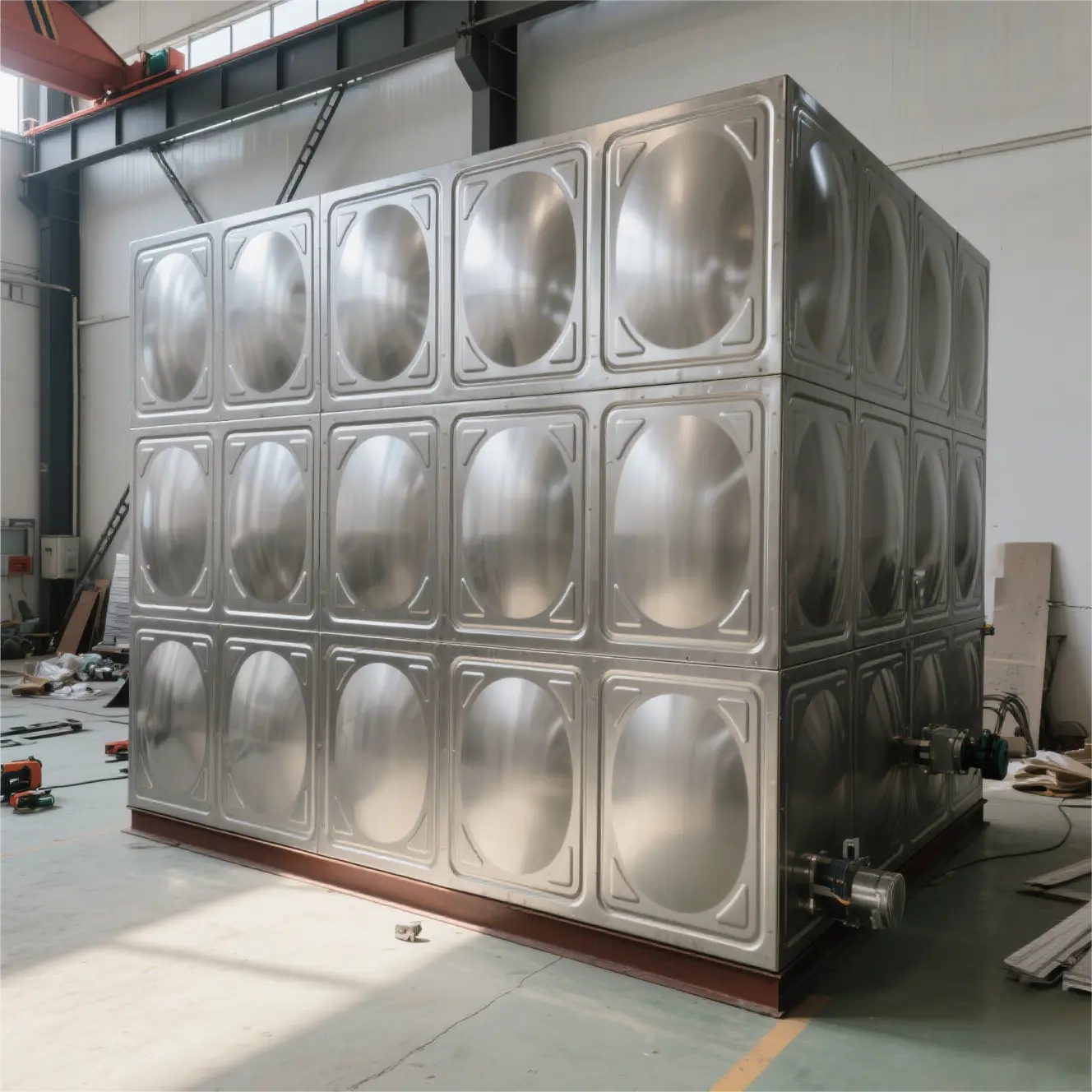
ZENTVO 304 Stainless Steel Water Tanks are designed for projects that require clean water storage, durable corrosion resistance, and a professional hygienic finish. Widely used for potable water storage and building water supply systems, these premium-grade tanks deliver long-term reliability across municipal, commercial, and industrial applications.
Resistant
Finish
Capacity
What Is a 304 Stainless Steel Water Tank?
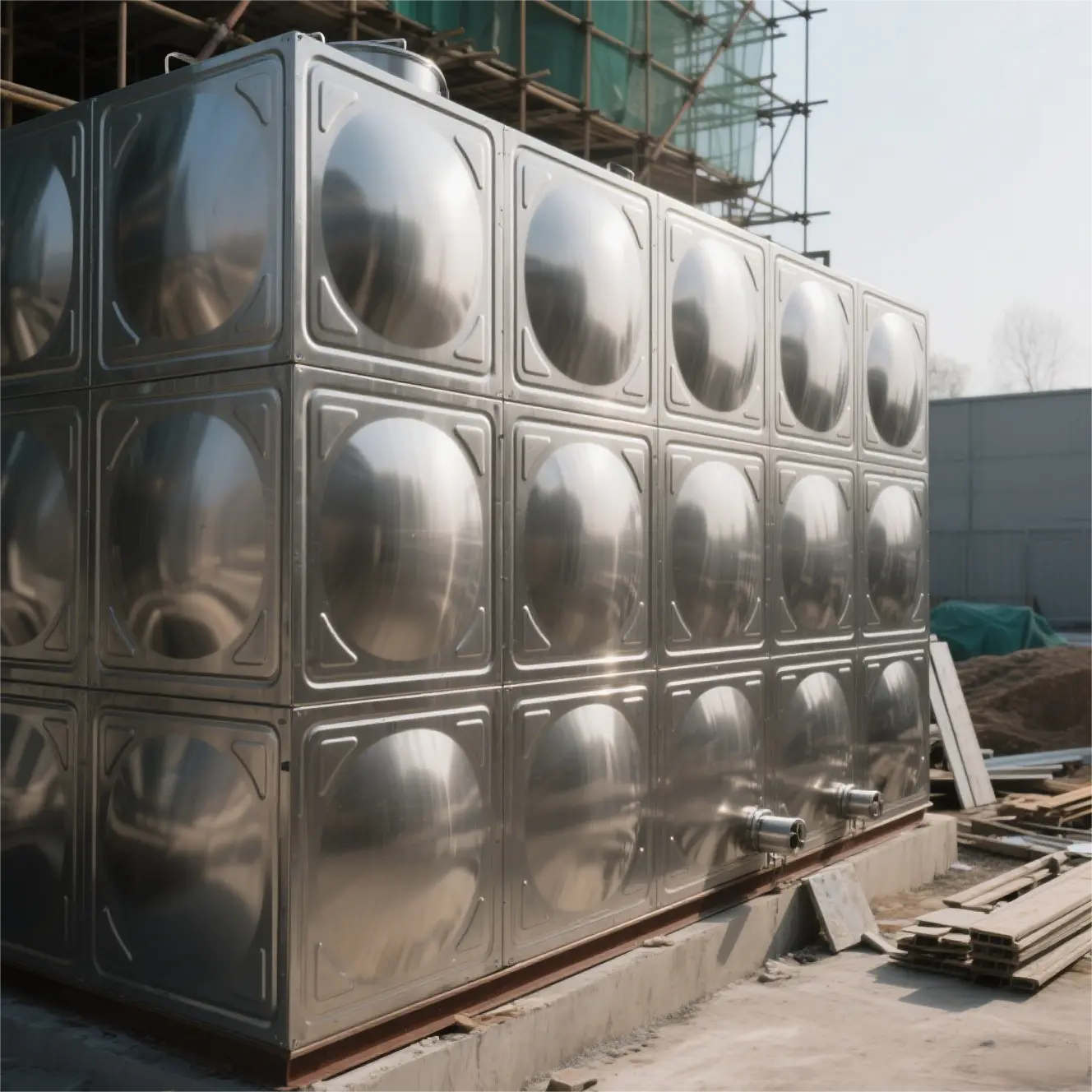
A 304 Stainless Steel Water Tank is a water storage tank fabricated from 304-grade austenitic stainless steel — a widely used grade known for its broad corrosion resistance, good cleanability, and suitability for many potable-water and building-service environments.
Public stainless-steel references describe Grade 304 as resistant in a wide range of atmospheric environments and many corrosive media, and suitable for potable water at ambient chloride levels typically associated with many inland water systems.
For ZENTVO, this is not a generic metal tank. It is a project-ready hygienic water storage solution supported by engineering review, drawings, quality control, export packaging, installation guidance, and after-sales support — consistent with ZENTVO’s overall engineering and delivery workflow.
Why Choose ZENTVO 304 Stainless Steel Water Tanks?
From hygienic water storage to export-ready project delivery, every ZENTVO 304 SS tank is engineered and supported as a complete system.
Hygienic Water Storage for Clean Water Applications
ZENTVO positions the 304 stainless steel tank for potable water and building water supply systems. Stainless steel is widely used in water applications because its passive chromium-oxide film provides corrosion resistance and supports clean, smooth surfaces when properly fabricated and maintained.
Good General Corrosion Resistance
Type 304 stainless steel performs well in many fresh-water and atmospheric environments, which is why it is commonly used for general-purpose water service. Note that 304 becomes more vulnerable in warm chloride-rich environments, and 316 is often the more conservative choice for harsher chloride exposure.
Professional Finish and Easy Cleaning
A major reason stainless steel is selected for potable and building water systems is the ability to maintain a smooth, cleanable surface. Nickel Institute guidance notes that smoother and cleaner stainless surfaces provide better corrosion performance — especially relevant for hygienic tank applications.
Engineering Support Before Production
ZENTVO supports project-specific engineering, drawing preparation, and technical clarification — including a 24-hour engineering response for system selection and submittal support. Dimensions, connection layouts, support details, and site constraints are confirmed before fabrication begins.

Typical Applications
ZENTVO 304 Stainless Steel Water Tanks are engineered for clean-water and general-purpose water-service environments — from potable water reserves to large commercial building supply systems.
Potable Water Storage
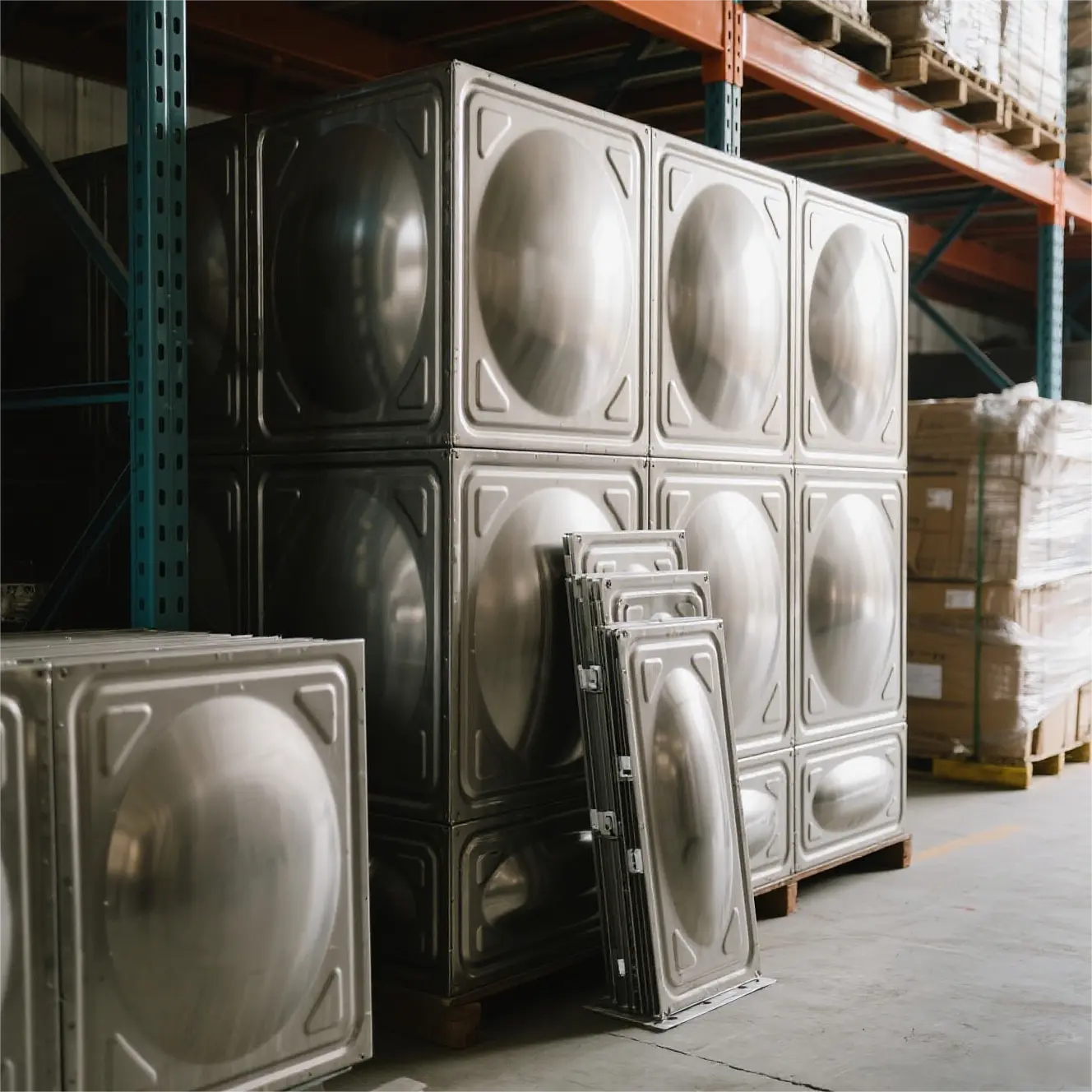
Suitable for drinking-water reserve and clean-water storage in projects where hygiene, corrosion resistance, and cleanability are important. 304 stainless steel is widely considered suitable for potable water in many inland conditions.
Building Water Supply Systems
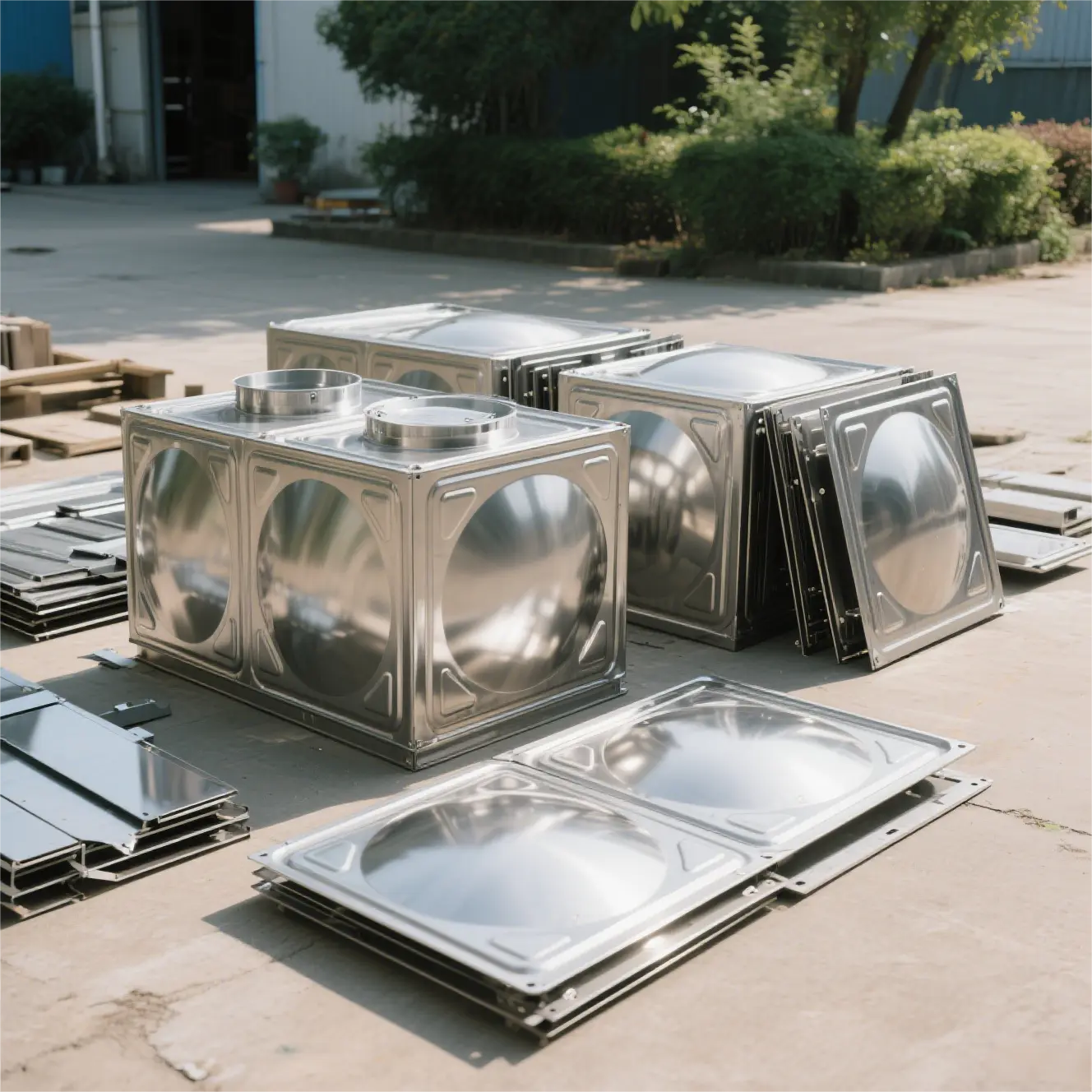
Suitable for residential, commercial, and institutional building water systems — including service water, reserve water, and utility supply tanks. This matches the core product positioning directly for new-build and retrofit projects.
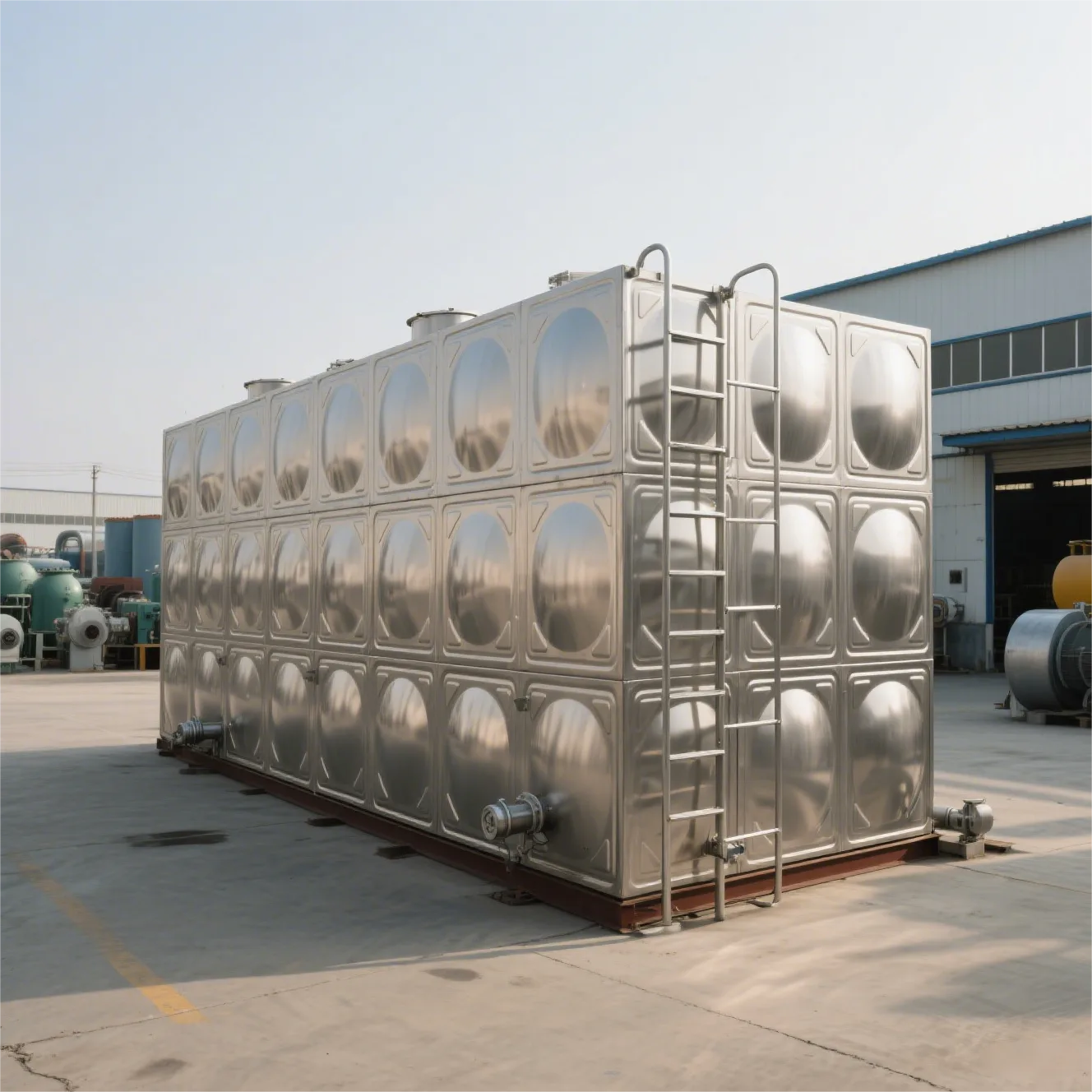
Commercial & Public Facilities
Hotels, hospitals, schools, apartment buildings, office projects, and public facilities often prefer stainless steel water tanks where appearance, hygiene, and long-term corrosion resistance are valued across the service life of the building.
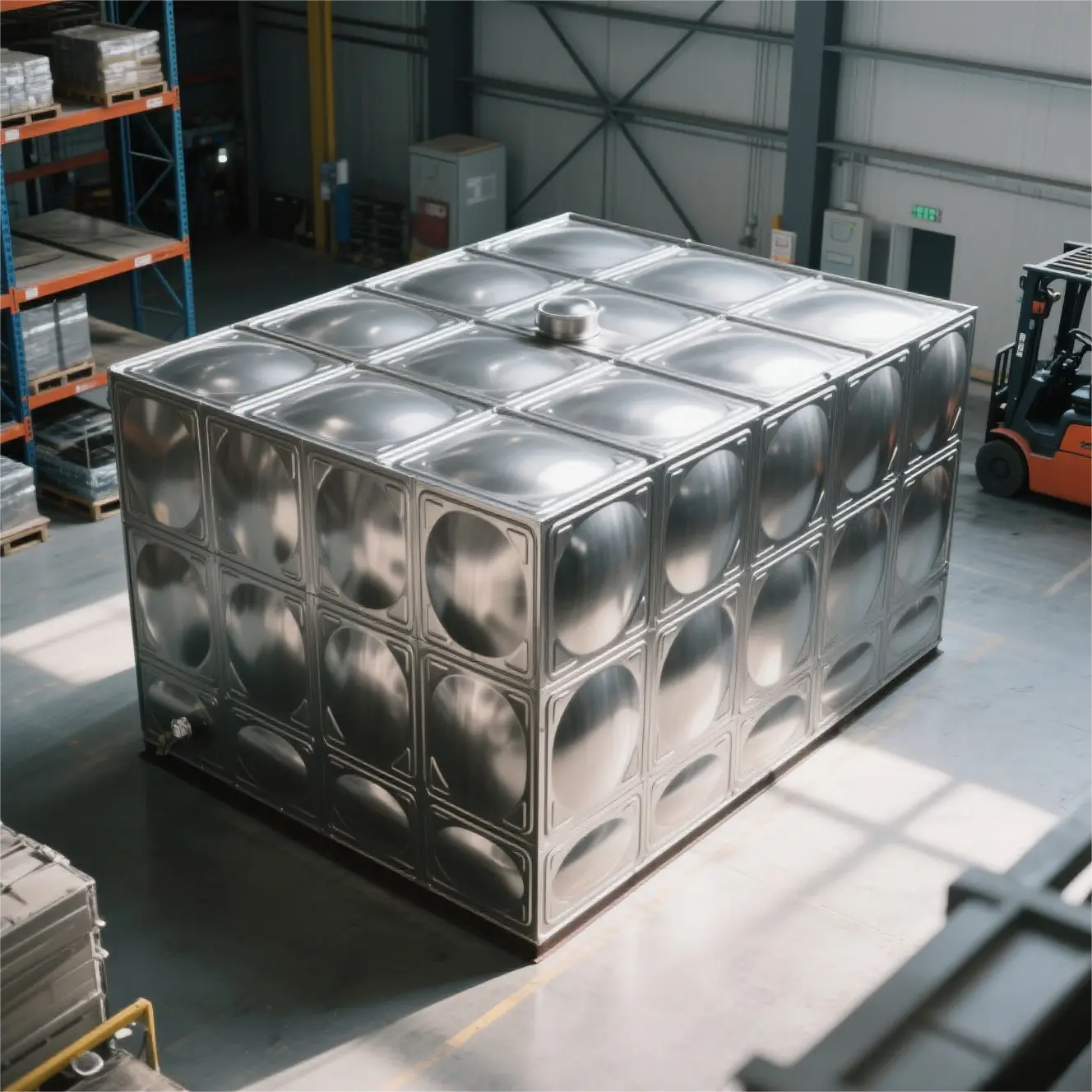
Indoor Utility Water Storage
304 stainless steel is well suited to many indoor and sheltered utility-water environments where chloride exposure is moderate and cleanability matters. For more aggressive chloride conditions, 316 may be a preferred alternative.
Engineered for Hygienic Water Storage
ZENTVO 304 Stainless Steel Water Tanks are designed as hygienic water storage systems for projects that require a balance of corrosion resistance, practical cost, clean appearance, and reliable long-term operation.
Compared with more specialized stainless grades, 304 is generally used where the service environment is less aggressive but where water hygiene and corrosion resistance still matter. Public stainless-steel guidance consistently positions 304 as a strong general-purpose grade for fresh water and many atmospheric conditions, while also cautioning against warm high-chloride environments where 316 may be a better choice.

Main Components
Every ZENTVO 304 stainless steel water tank is configured around a standard set of core components, with optional accessories available to match project-specific requirements.
Stainless Steel Tank Body
The main storage shell fabricated from 304 stainless steel — selected for hygienic water contact, corrosion resistance in general-purpose water environments, and long service life when properly fabricated and maintained.
Standard Water Connections
A typical configuration includes inlet, outlet, overflow, and drain. Additional nozzles or ports can be configured for vents, level controls, recirculation, sampling, or project-specific instrumentation.
Support & Structural Details
Depending on tank size and configuration, the system may include base support, reinforcement, access details, and connection coordination designed around the project layout and installation conditions.
Access & Maintenance Items
Optional items may include inspection opening or manhole, internal ladder, external ladder, level indicator, partition arrangement, and additional maintenance-related accessories configured per project requirements.
Technical Data
A practical technical scope for buyer review — covering product type, material, configuration, connections, accessories, engineering deliverables, and delivery terms.
| Item | ZENTVO 304 Stainless Steel Water Tank |
|---|---|
| Product Type | 304-grade stainless steel water tank |
| Primary Application | Potable water and building water supply storage |
| Material Grade | 304 Stainless Steel |
| Configuration | Project-specific |
| Capacity | Based on approved design |
| Dimensions | Based on site footprint and height limits |
| Standard Connections | Inlet · Outlet · Overflow · Drain |
| Optional Connections | Vent, level sensor ports, recirculation, sampling or control ports |
| Optional Accessories | Ladders, inspection opening, level indicator, partition, support base options |
| Engineering Deliverables | CAD / GA drawings, connection schedule, technical data, submittal support |
| Delivery Terms | Export packaging, shipping documents · EXW / FOB / CIF / DAP |
| Support | Installation guidance, commissioning support, after-sales service |
Ready to Specify a 304 SS Water Tank?
Submit your project requirements and our engineering team will respond within 24 hours with a technical proposal tailored to your site conditions.
When to Choose 304 vs 316
Understanding the difference between 304 and 316 stainless steel helps ensure the right grade is selected for your specific water-service environment and project conditions.
304 stainless steel is a strong general-purpose choice for many potable-water and building-water applications, especially in inland or moderate service conditions. Public references confirm that 304 has good corrosion resistance in potable water and many fresh-water environments.
However, the same guidance notes that 316 is the more conservative option when chloride exposure is higher or when the environment is more aggressive — for example, coastal regions or chemically active service conditions.
Contains 18% chromium and 8% nickel. Suitable for potable water storage, building water supply, and indoor utility environments where chloride exposure is moderate and cleanability is a priority.
Adds 2–3% molybdenum for enhanced chloride resistance. Recommended for coastal regions, higher-chloride water environments, or chemically aggressive service conditions where 304 may be insufficient.
Use the table below as a starting-point reference. Final grade selection should always be confirmed with your engineering team based on actual site water chemistry, chloride levels, and project requirements.
| Scenario | Recommended Direction |
|---|---|
| General potable water storage | 304 is often suitable |
| Building water supply systems | 304 is a common choice |
| Inland fresh-water applications | 304 is often cost-effective |
| Coastal / higher chloride exposure | 316 is often safer |
| Chemically aggressive environment | 316 or higher grade |

Engineering Support
ZENTVO provides end-to-end engineering documentation for every 304 stainless steel water tank project — from initial layout confirmation through to commissioning handover.

Controlled Fabrication
Corrosion resistance depends heavily on maintaining a clean, uncontaminated surface and avoiding fabrication defects that can damage the passive film. ZENTVO supports controlled fabrication environments to protect surface integrity throughout the manufacturing process.
Dimensional Inspection
Each tank undergoes dimensional inspection and quality verification before shipment. Connection accuracy, nozzle positioning, and structural fit-up are checked against the approved drawing package to ensure site installation proceeds without rework.
Pre-Shipment Quality Verification
Proper handling, cleaning, and surface condition are important to maintain corrosion performance in service. ZENTVO’s pre-shipment verification process covers surface cleanliness, joint quality, and export packaging to ensure tanks arrive in specification-ready condition.
Standards, Potable Water &
Project Documentation
ZENTVO supports potable-water and building-water projects with engineering documentation, drawing support, and standards-oriented submittal preparation.
ZENTVO’s project structure references certifications including ISO, WRAS, NSF, and international compliance frameworks. Potable water storage is a core solution area, giving a solid foundation for supporting project approval workflows across municipal, commercial, and institutional applications.
Engineering documentation, drawing revision support, and standards-oriented submittal packages are provided as part of the standard project delivery workflow — helping consultants, EPCs, and end-users meet their approval and handover requirements efficiently.
Exact compliance documents should always be confirmed against the selected tank configuration, fabrication scope, and project approval requirements for the specific jurisdiction and end-use application.
Important: Compliance scope varies by project, configuration, and jurisdiction. Always confirm applicable standards and certification requirements with your engineering team and local approval authority before finalising specifications.
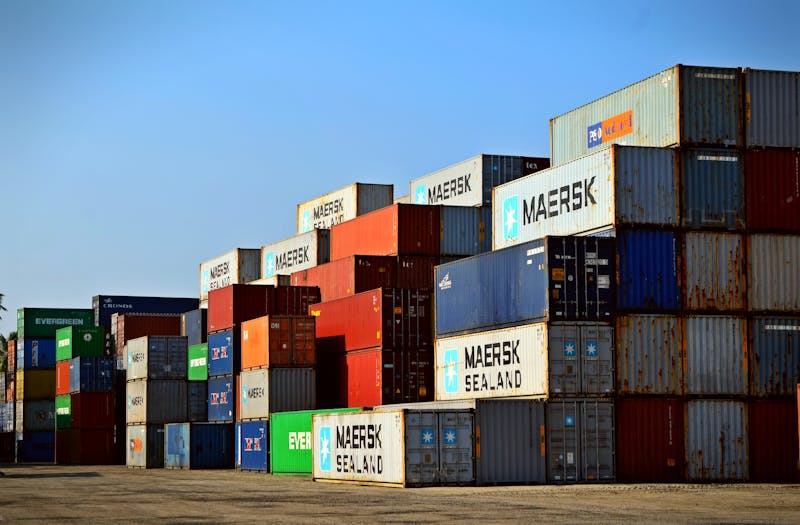
Packing, Logistics
& Delivery
ZENTVO supports international delivery of 304 Stainless Steel Water Tanks with export-ready packing, shipping document coordination, and installation preparation support. Organised packing and clear documentation help reduce receiving errors and support smoother installation on site.
Buyer arranges all freight
ZENTVO loads at origin port
Delivered to destination port
Delivered to named destination
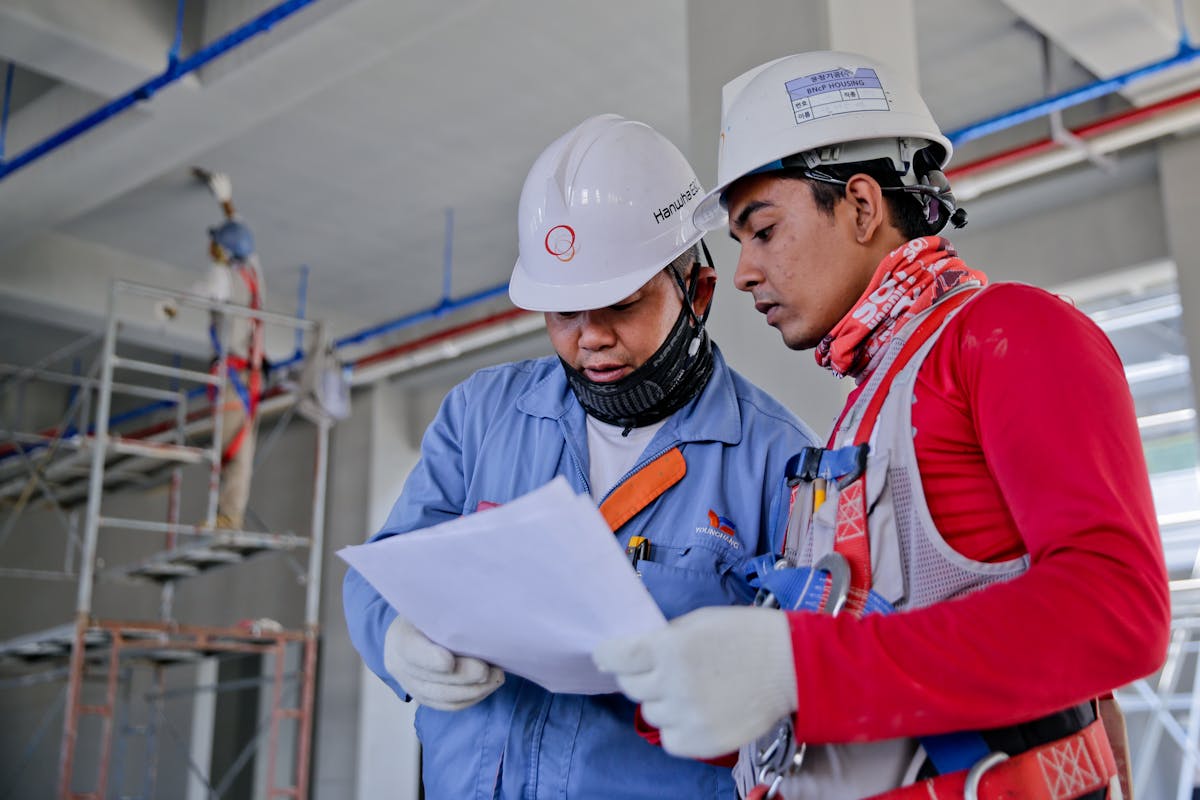
Installation, Commissioning
& After-Sales Support
ZENTVO supports 304 stainless steel tank projects beyond delivery — with installation guidance, commissioning coordination, and ongoing after-sales service throughout the project lifecycle.
Installation Guidance
Drawing-based installation support to ensure correct positioning, connection, and commissioning preparation on site.
- Installation manuals and method statements
- Drawing-based assembly clarification
- Connection and nozzle alignment guidance
- Pre-installation checklist support
Commissioning Coordination
Technical support during the commissioning phase to help verify that the tank system is correctly installed and ready for service.
- Commissioning support documentation
- Handover package preparation
- Technical clarification during start-up
- Inspection and sign-off coordination
After-Sales & Lifecycle Support
Ongoing technical assistance, maintenance guidance, and service support after delivery and commissioning are complete.
- Maintenance schedule guidance
- Spare parts and accessory support
- Technical assistance post-delivery
- Lifecycle service coordination
How to Specify a 304 SS Water Tank
To receive an accurate recommendation and quotation, provide the following project details. This engineering-led review approach ensures your tank is configured correctly for your site and application from the start.
ZENTVO’s project review process is engineering-driven — each tank configuration is reviewed against your actual site conditions, water type, capacity requirements, and connection schedule before any quotation is issued.
Sending complete project information upfront allows the engineering team to provide a project-specific proposal, GA drawing, and technical data sheet rather than a generic product quote — which is particularly important for consultant submittals and EPC procurement packages.

FAQ — 304 Stainless Steel Water Tank
Answers to the most common questions about ZENTVO 304 stainless steel water tanks — covering material selection, potable water suitability, engineering support, and project delivery.
Ready to Specify a ZENTVO
304 Stainless Steel Water Tank?
Send your project requirements and get a project-specific engineering proposal, drawing support package, and quotation from the ZENTVO team within 24 hours.