316 Stainless Steel
Water Tank
For Coastal, Chloride-Exposed, and Demanding Service Conditions
ZENTVO 316 SS Water Tanks deliver hygienic storage with superior corrosion resistance over 304 SS — engineered for coastal, chemically aggressive, and high-durability applications across municipal, commercial, and industrial projects.
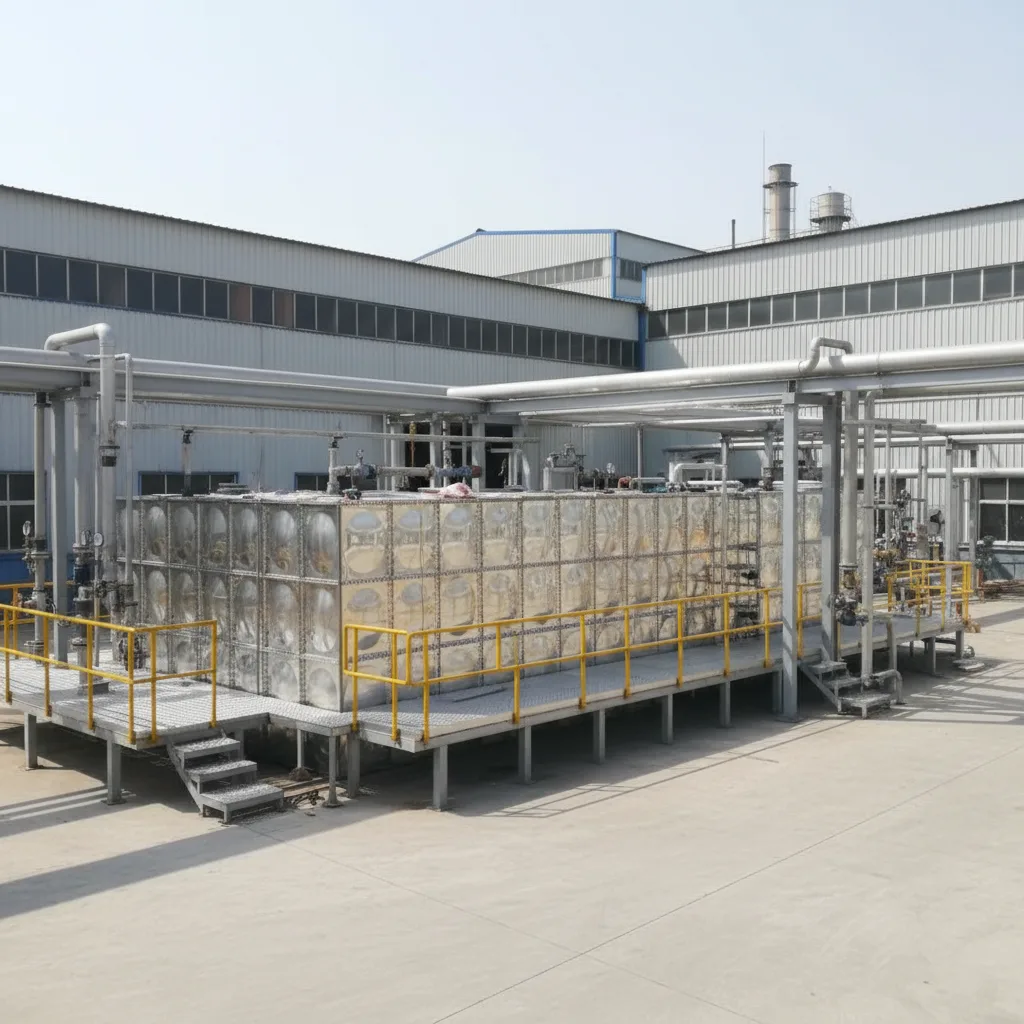
Resistant
Finish
Capacity
Grade
What Is a 316 Stainless Steel Water Tank?
A 316 Stainless Steel Water Tank is a water storage tank fabricated from 316-grade molybdenum-bearing austenitic stainless steel — the standard choice when chloride exposure, pitting risk, or service severity exceeds what general-purpose 304 SS can reliably handle.
World Stainless describes Grade 316 as the standard molybdenum-bearing grade, noting that molybdenum gives it better overall corrosion resistance than 304, especially against pitting and crevice corrosion in chloride environments. Nickel Institute guidance likewise confirms that Type 316 contains approximately 2–3% molybdenum, which improves corrosion resistance compared with 304, particularly in chloride conditions.
For ZENTVO, this is not a generic metal tank. It is a project-ready, high-durability water storage solution — covering requirement review, material selection, project-specific drawings, controlled fabrication, pre-shipment inspection, export packing, installation support, and after-sales service.
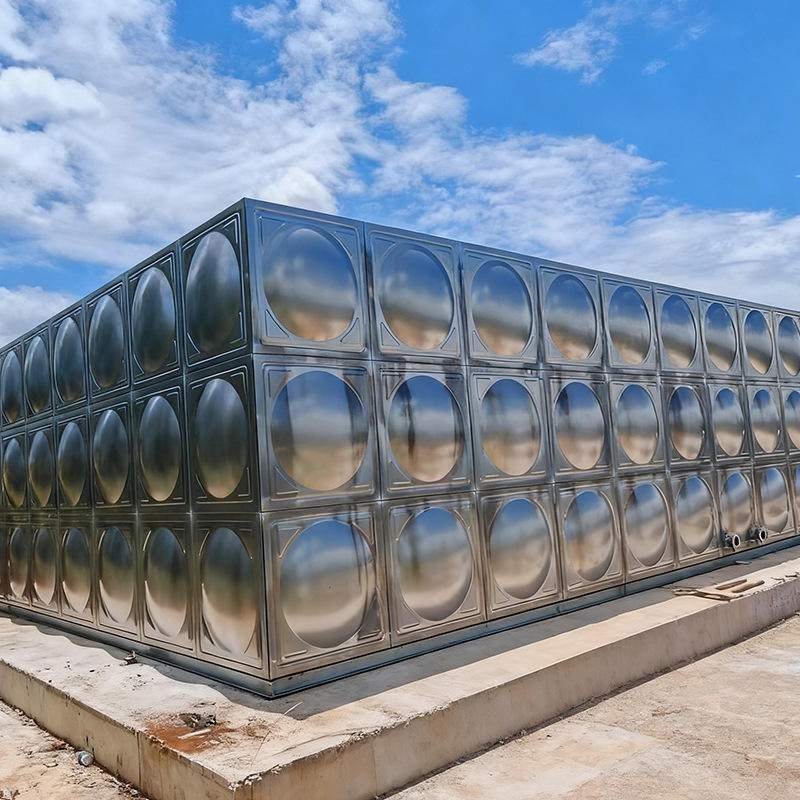
316 SS — Mo-enhanced alloy for chloride-exposed and coastal water storage projects
Why Choose ZENTVO 316 Stainless Steel Water Tanks?
Where ZENTVO 316 SS Tanks Are Specified
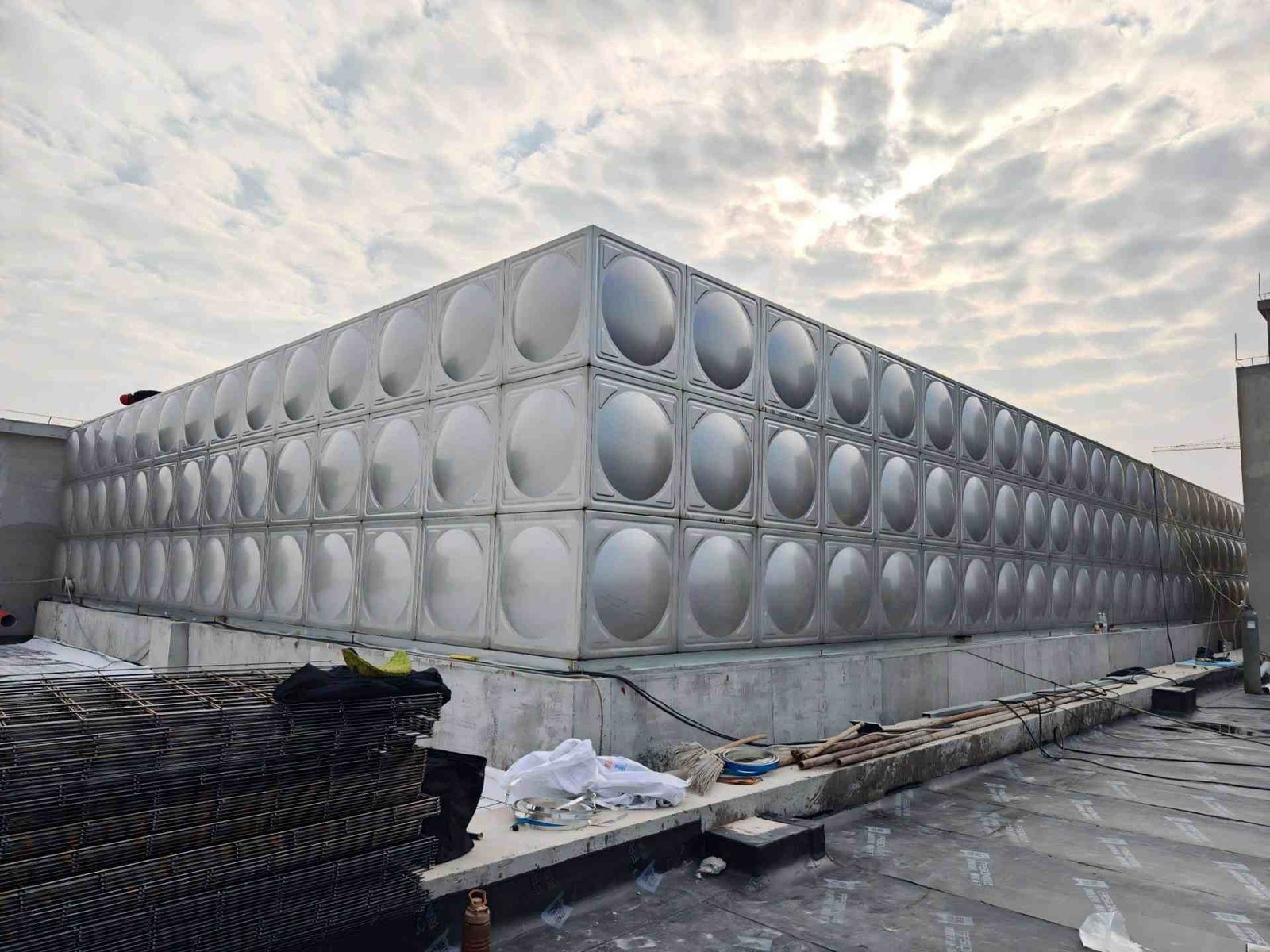
Coastal Building Water Supply
Suitable for water storage projects near the sea or in marine-influenced environments where chloride exposure may be higher than ordinary inland applications. ZENTVO’s homepage explicitly positions the 316 SS tank for coastal regions, and broader stainless-steel guidance favors 316 where salt content and adverse factors increase corrosion risk.
Potable Water & Clean Water Systems with More Demanding Conditions
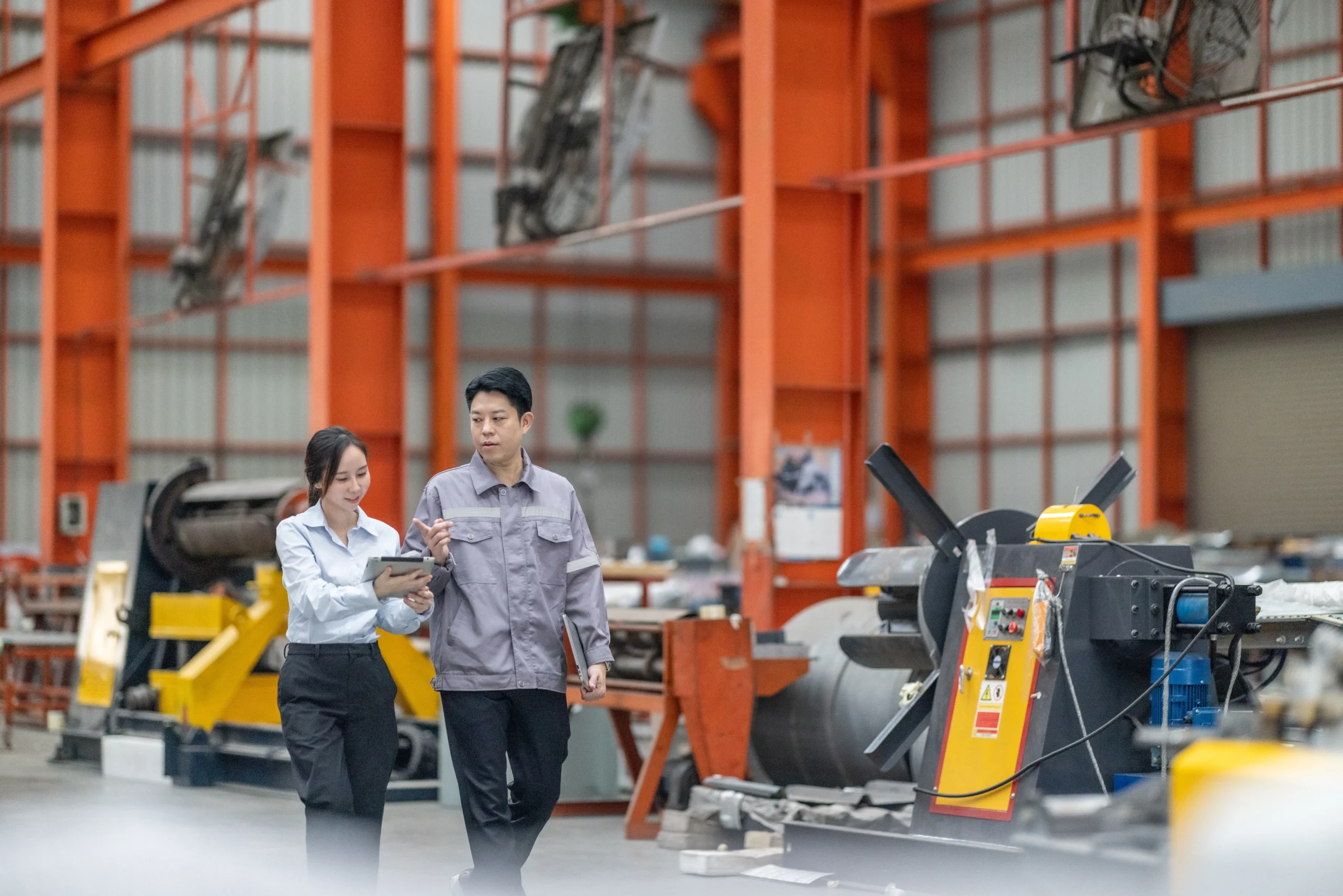
Nickel Institute guidance notes that 316L is a more conservative choice in potable-water treatment environments with more varied exposure, including higher residual chlorine or deposits. This supports 316 as a stronger option where service conditions are less forgiving than standard inland potable-water storage.
Industrial and Utility Water Storage
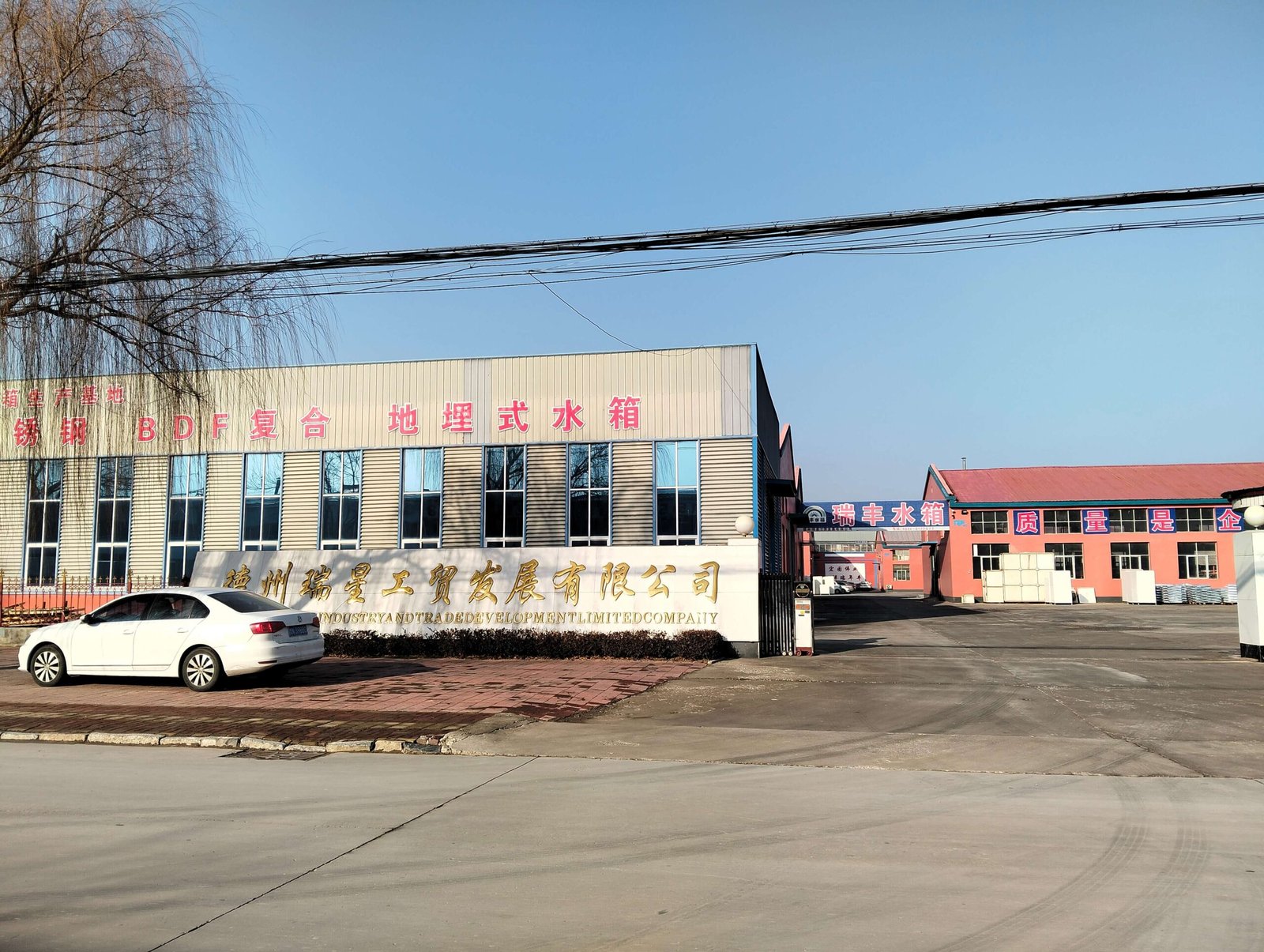
Suitable for utility, process-support, and clean-water storage in projects where corrosion resistance needs to be stronger than a general-purpose 304 solution. ZENTVO’s homepage explicitly includes “chemically aggressive conditions” in the 316 product positioning, making it the right specification for industrial and process environments.
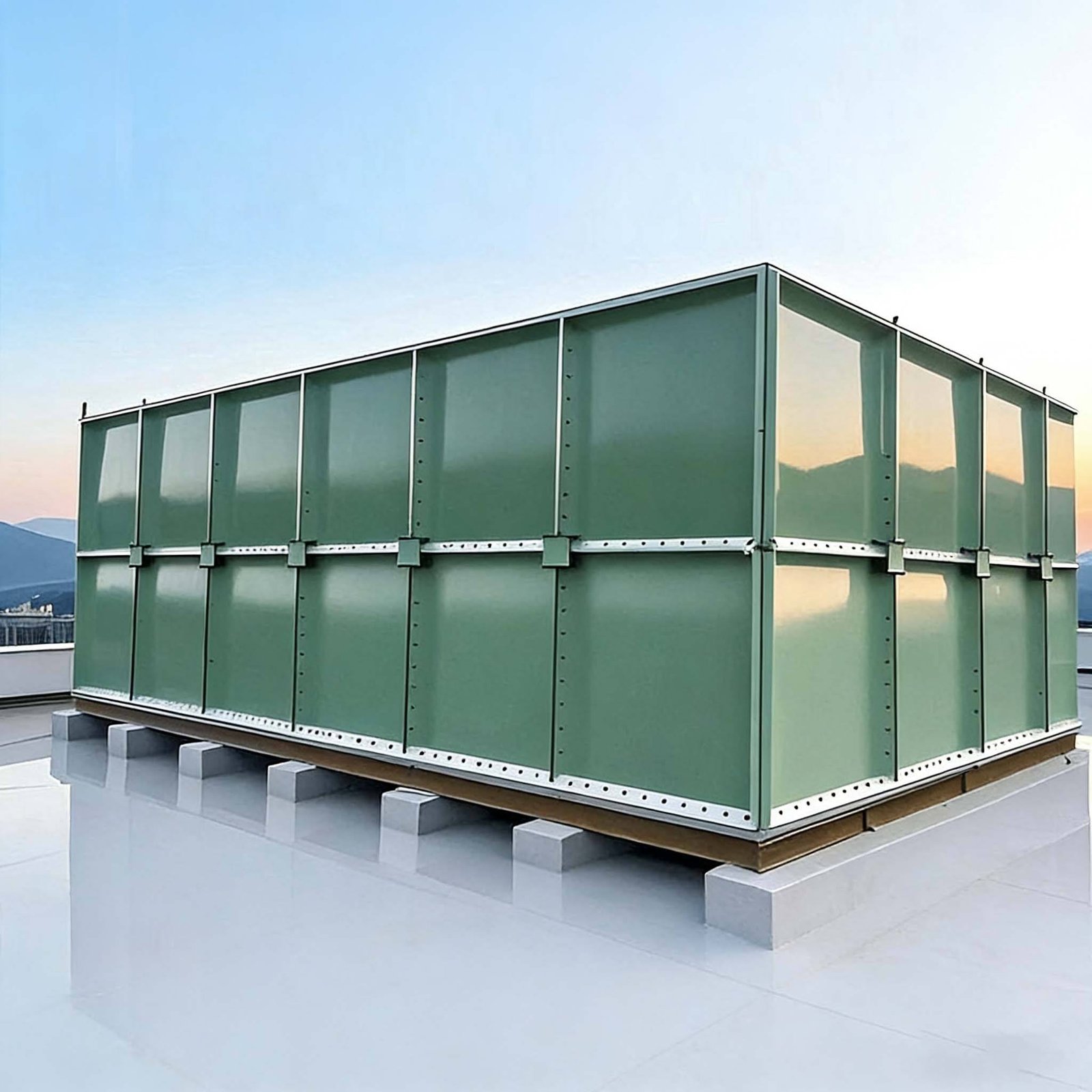
Higher-Durability Building and Institutional Projects
Applicable where designers want added corrosion margin, longer-term durability, or more confidence in chloride-affected or stagnation-prone building water systems. Water-industry guidance notes that in Europe, 316 types are frequently used in water and wastewater treatment plants, and German experience favors 316 types in building water systems with many fittings and stagnation periods.
Ready to Specify 316 SS for Your Project?
24-hour engineering response · Project-specific drawings · Export packing · Global delivery · Installation support
A Project-Delivery Approach to 316 SS Water Storage
ZENTVO 316 Stainless Steel Water Tanks are designed as higher-durability hygienic storage systems for projects where 304 may be adequate in principle, but where exposure conditions justify a more conservative material choice.
The key reason is material chemistry: 316 contains molybdenum, and major water-industry references consistently confirm this improves resistance to chloride-related pitting and crevice corrosion compared with 304. For ZENTVO, the product is described through the whole project-delivery chain — from requirement review through to after-sales support.
From requirement review to after-sales support — ZENTVO delivers 316 SS water tanks as complete project solutions, not sheet-metal products alone.
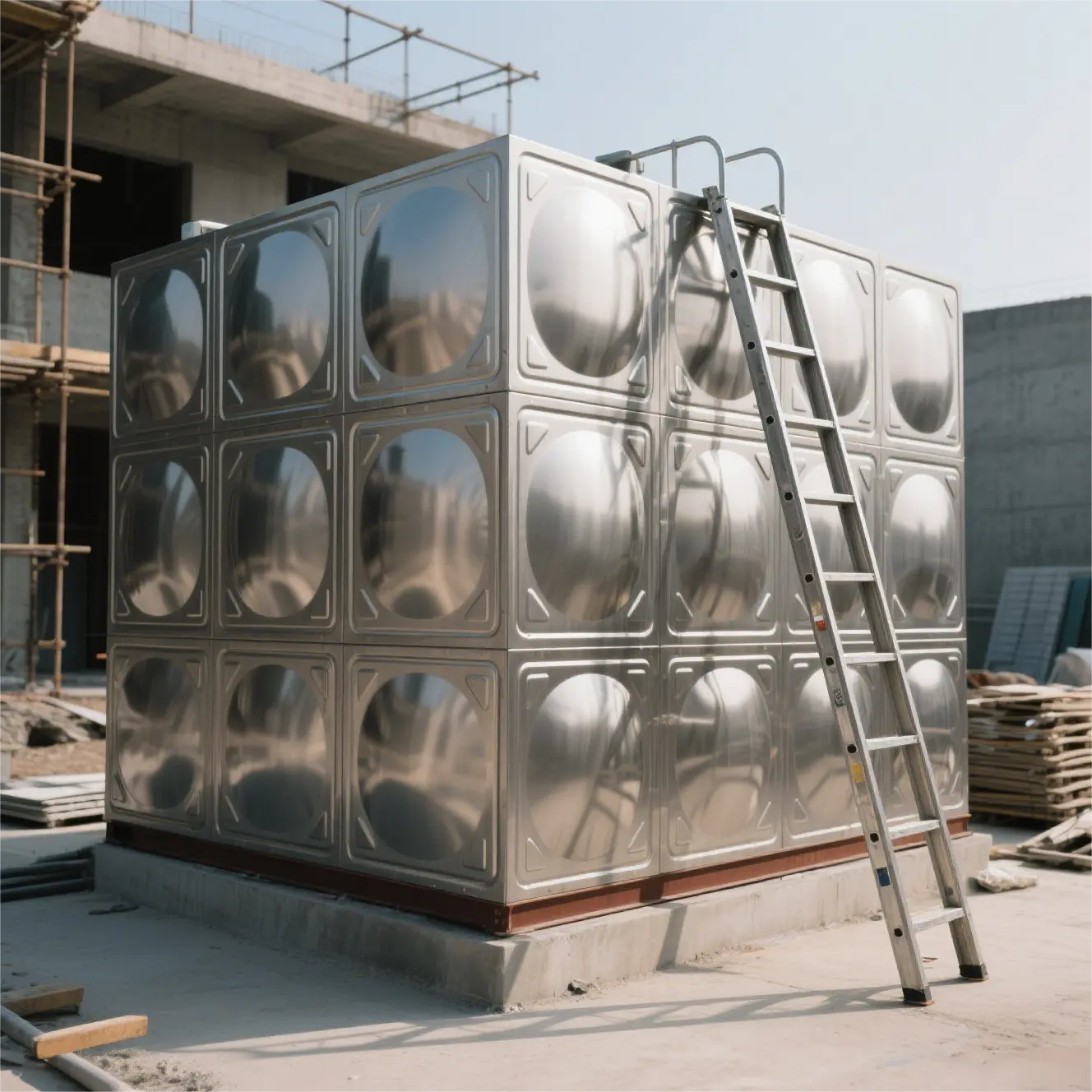
Main Components of a
316 Stainless Steel Water Tank



Practical Technical Scope for Buyer Review
| Item | ZENTVO 316 SS Water Tank |
|---|---|
| Product type | 316-grade stainless steel water tank |
| Primary application | Hygienic water storage in coastal, chloride-exposed, and more aggressive environments |
| Material grade | 316 stainless steel |
| Key material feature | Molybdenum-bearing austenitic SS with stronger chloride-related corrosion resistance than 304 |
| Configuration | Project-specific |
| Capacity | Based on approved design |
| Dimensions | Based on site footprint and height limits |
| Standard connections | Inlet / Outlet / Overflow / Drain |
| Optional connections | Vent, level sensor ports, recirculation, sampling or control ports |
| Optional accessories | Ladders, inspection opening, level indicator, partition, support base options |
| Engineering deliverables | CAD / GA drawings, connection schedule, technical data, submittal support |
| Delivery terms | EXW / FOB / CIF / DAP · Export packaging · Shipping documents |
| Support | Installation guidance, commissioning support, after-sales service |

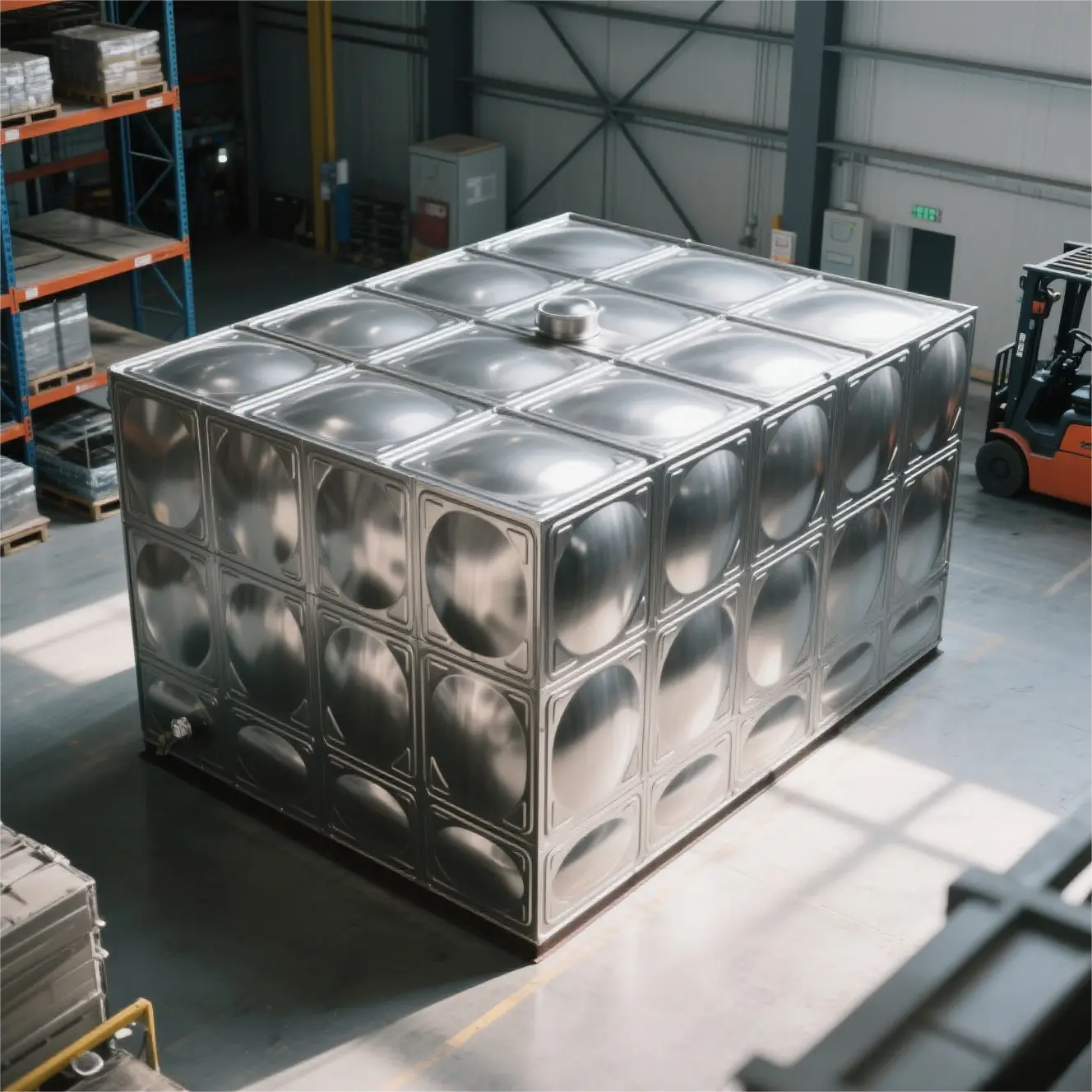
When to Choose 316 Instead of 304
Industry and water-sector guidance consistently point in the same direction: 304 is often suitable for many general inland potable-water and building-water uses, while 316 is the more conservative choice when chloride, chlorine, deposits, stagnation, or more aggressive service conditions increase corrosion risk.
Use the table below as a starting-point guide. Final material selection should always be reviewed against the specific project conditions, applicable standards, and engineering judgment.
| Service Scenario | Recommended Direction |
|---|---|
| General inland potable water storage | 304 is often suitable |
| Ordinary building water supply systems | 304 is a common choice |
| Coastal or marine-influenced location | 316 is often preferred |
| Higher chloride or chlorine exposure | 316 is usually safer |
| Chemically more aggressive environment | 316 or higher grade |
| Projects needing higher corrosion-resistance margin | 316 is commonly chosen |
Engineering Support &
Project Deliverables
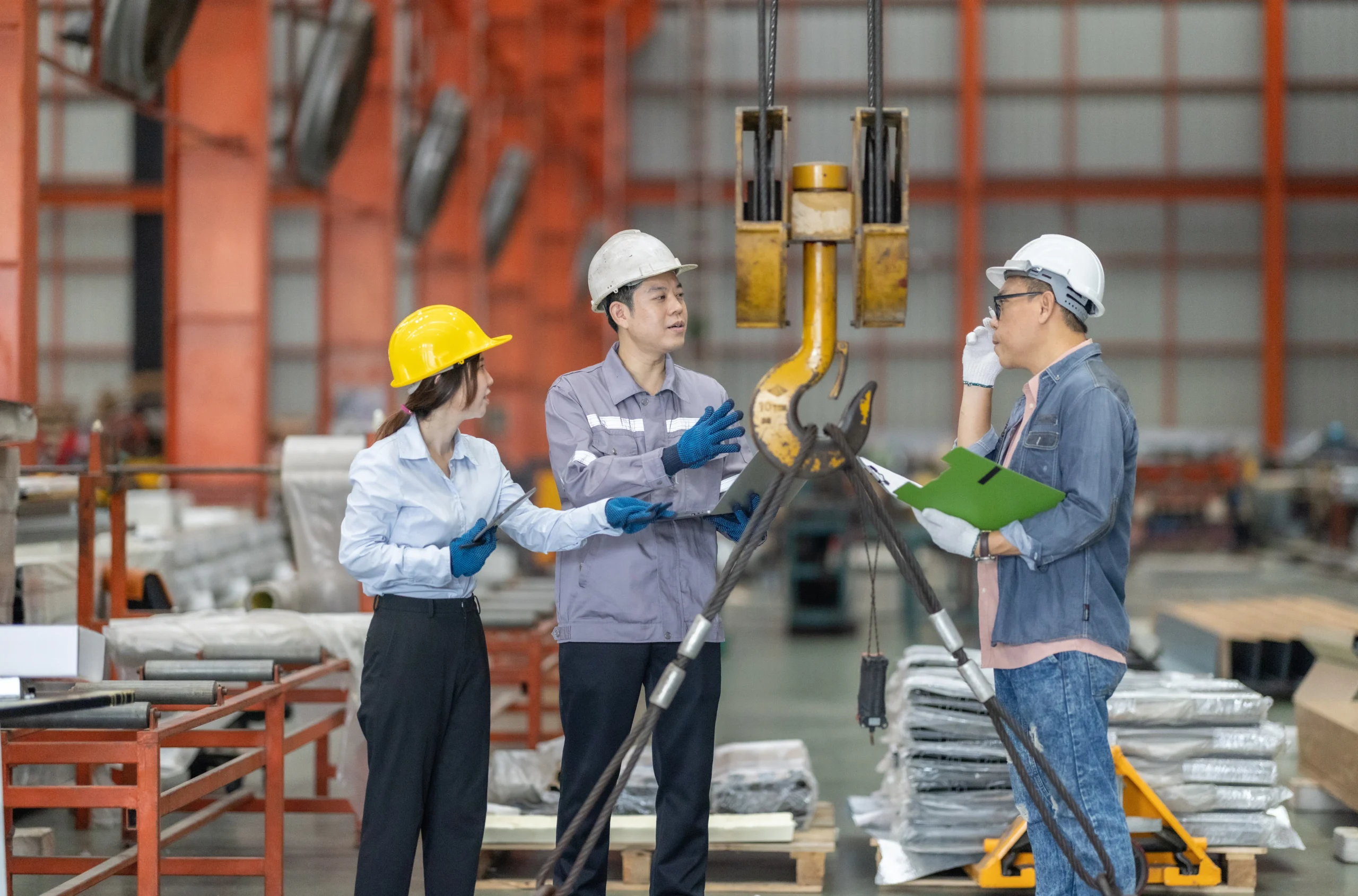
ZENTVO is an engineering-driven manufacturer. For every 316 SS water tank project, the team supports the full delivery chain — from initial technical clarification through to drawings, fabrication, inspection, export, and after-sales service.
Below are the typical deliverables included in a ZENTVO 316 stainless steel water tank project package.
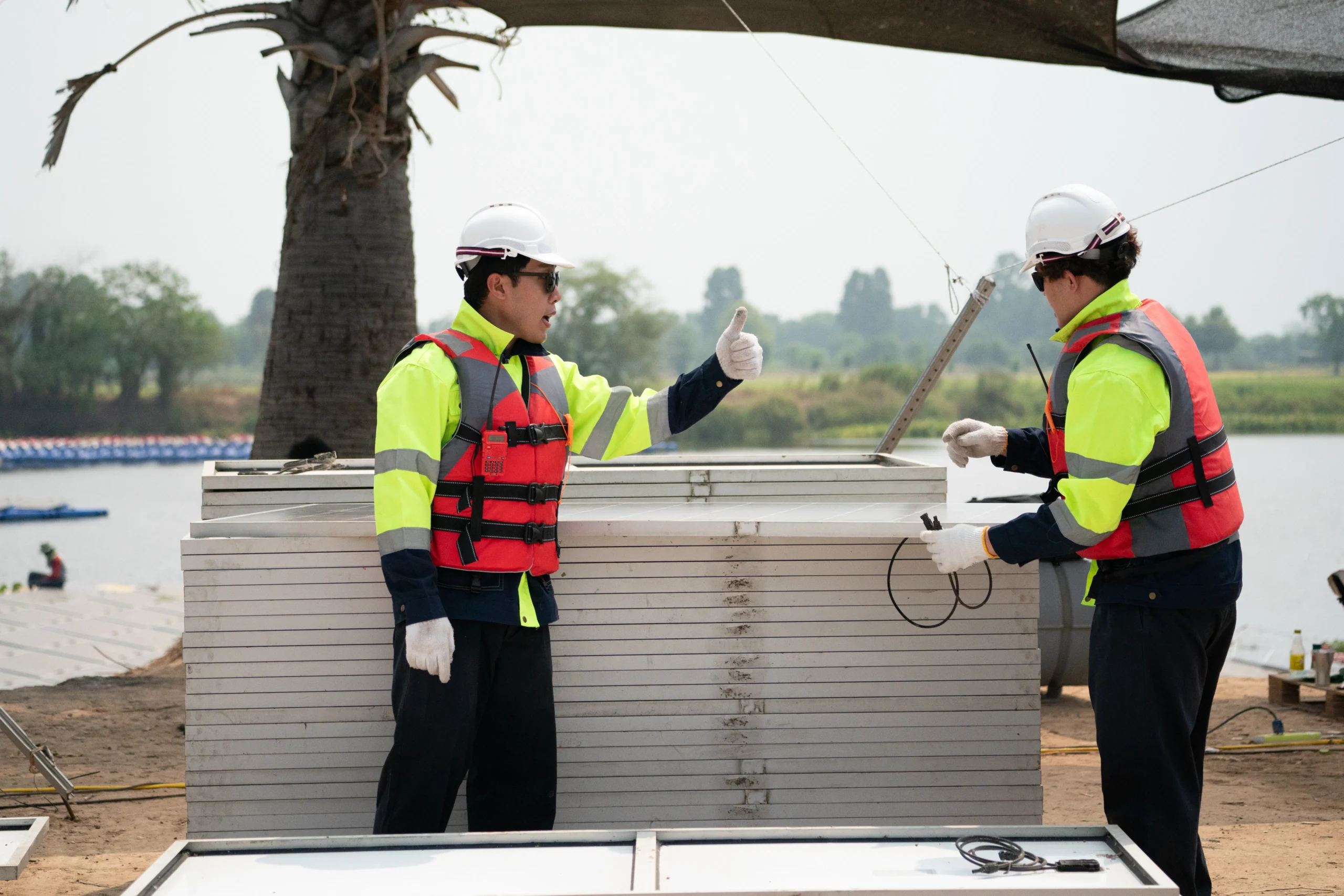
Surface condition, fabrication cleanliness, and joint fit-up are critical to long-term corrosion performance — especially in chloride-affected service conditions.
Fabrication, Surface Quality
& Pre-Shipment Inspection
For stainless steel tanks, fabrication quality is critical. Nickel Institute’s water-industry guidance emphasizes that corrosion performance depends not only on alloy grade but also on correct fabrication, cleaning, and avoidance of contamination.
Residual chlorides and fabrication contamination can create corrosion problems if not properly controlled — making quality-controlled production and inspection before shipment essential for every 316 SS project.
Standards, Documentation & Export Delivery

Installation, Commissioning
& After-Sales Support
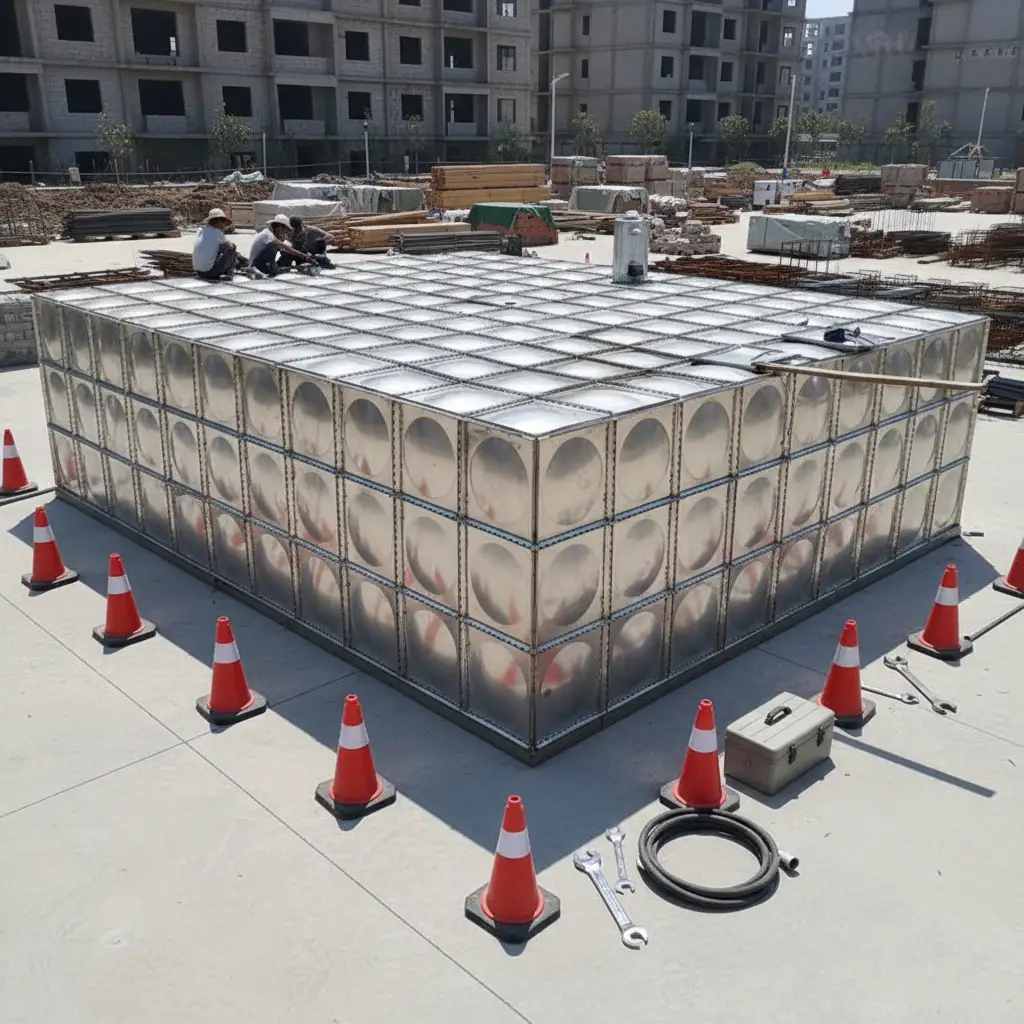
ZENTVO supports 316 SS tank projects beyond fabrication — with installation guidance, commissioning coordination, and after-sales service structured as part of the overall project workflow.
Support may include installation manuals, drawing-based assembly clarification, maintenance guidance, and technical assistance after delivery. ZENTVO’s website structure explicitly includes Installation Guidelines, Maintenance Schedule, Project Delivery Process, and After-Sales & Lifecycle Support.
How to Specify a
316 SS Water Tank
To receive an accurate recommendation and quotation, send ZENTVO the following project information. This matches the engineering-led, project-review approach reflected across the ZENTVO website.
Providing complete project details — especially chloride or environmental exposure conditions — is especially useful for confirming whether 316 is the right grade for the service environment.

“Providing chloride and environmental exposure details upfront is the most important step in confirming whether 316 is the right grade for your project.”
— ZENTVO Engineering TeamFrequently Asked
Questions
Common questions about ZENTVO 316 Stainless Steel Water Tanks — covering material selection, project support, and delivery.

Ready to Specify a ZENTVO
316 Stainless Steel Water Tank?
Send your project requirements and get a project-specific engineering proposal, drawing support package, and quotation from the ZENTVO team. 24-hour engineering response guaranteed.