Restricted site paths become workable.
Panels can be moved through service corridors, elevators, staircases, roof openings, and plant room doors before site assembly.
SMC Panel Water Tank for Building Projects
A modular water storage system for rooftops, basements, plant rooms, domestic water supply, potable water projects, and fire reserve layouts. This guide helps building owners, MEP teams, and procurement buyers specify capacity, access, pipework, structure, hygiene, and installation details before production.
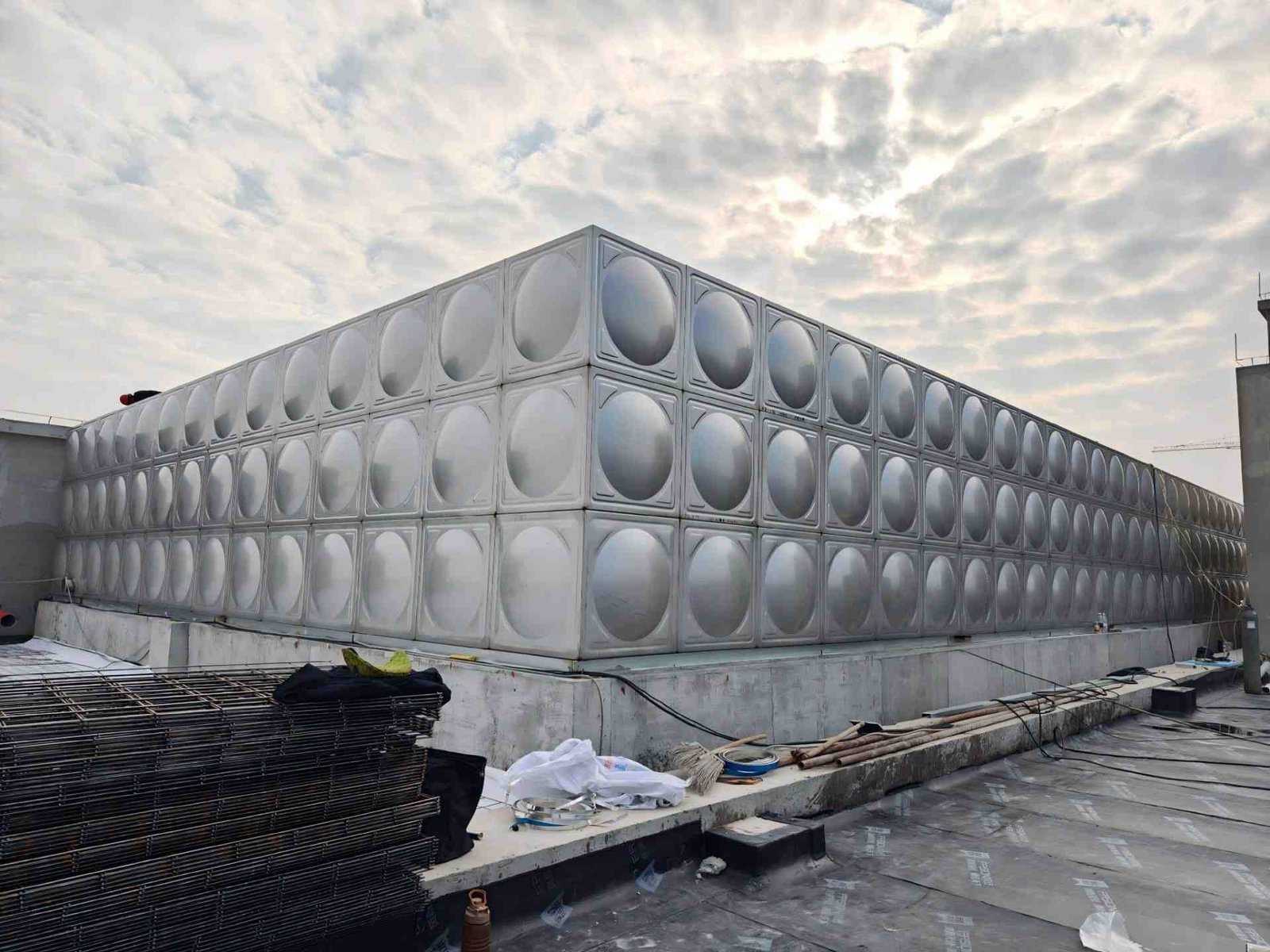
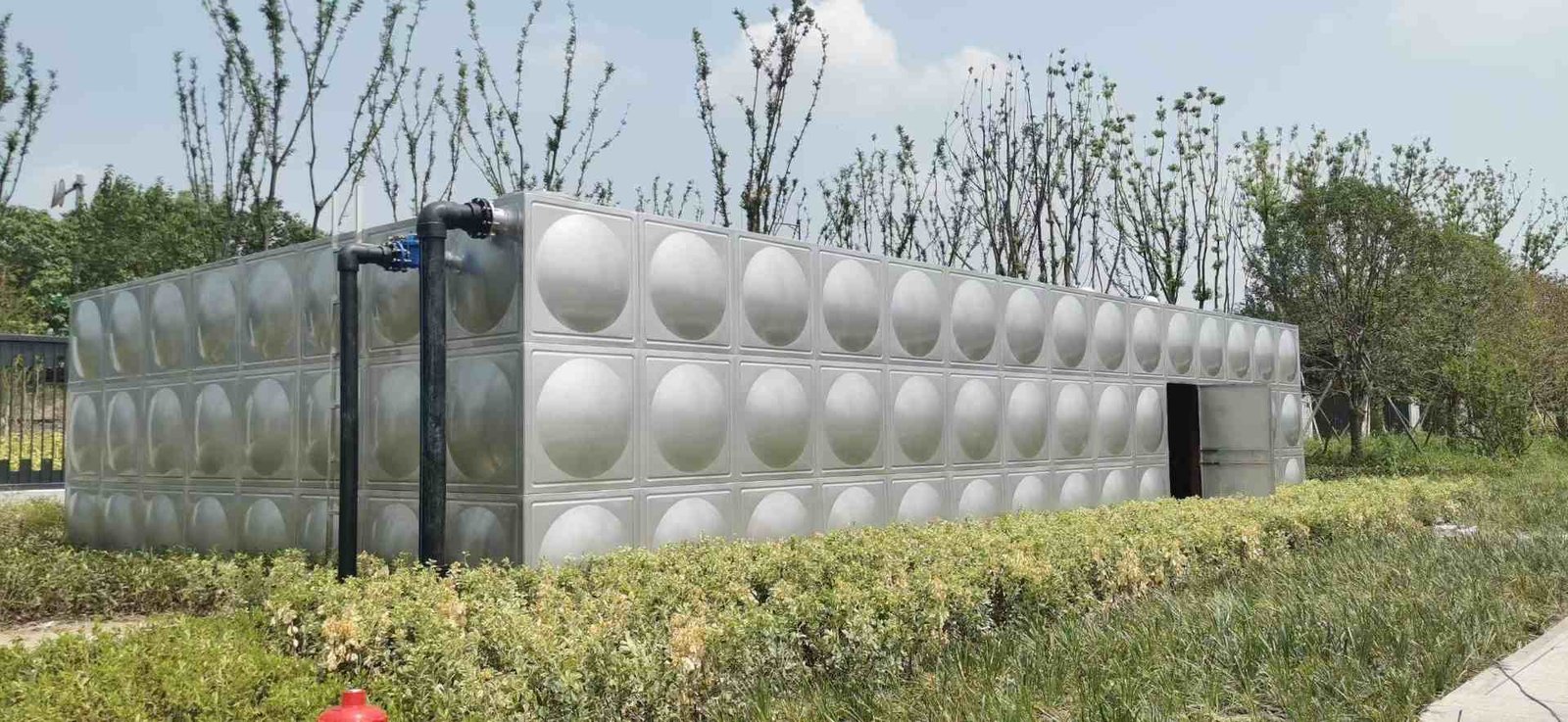
Project Reality
A water tank in a building is not just a storage vessel. It is part of the building operating system, tied to supply reliability, fire readiness, cleaning access, pump operation, and long-term maintenance.
An SMC panel water tank is assembled from molded fiberglass reinforced composite panels. Because the tank is delivered as panels and accessories instead of one oversized shell, it can be installed after the structure is complete. That matters for rooftops, basements, utility floors, and indoor mechanical rooms where large prefabricated tanks cannot enter.
For project teams comparing options, SMC panel tanks sit in a practical middle ground: modular like sectional steel tanks, corrosion resistant like GRP / FRP water tank systems, easier to transport than many welded tanks, and faster to install than many cast-in-place concrete storage rooms.
Panels can be moved through service corridors, elevators, staircases, roof openings, and plant room doors before site assembly.
Dimensions, compartments, manholes, nozzles, flange positions, and accessories can be coordinated before production.
Cleaning access, inspection clearance, overflow routing, drainage, and replaceable parts can be planned from the start.
Sizing Before Procurement
A quoted capacity without room dimensions, height limit, pipe positions, structural base, and maintenance clearance is not yet a project-ready proposal. For building work, the tank has to fit the actual room, not only the spreadsheet.
Domestic tanks should be sized around expected demand, refill rate, storage days, booster pump logic, local codes, and cleaning windows.
Fire tanks must coordinate with usable volume, outlet elevation, fire pump suction, alarm points, and local authority approval. For fire reserve applications, buyers can also compare ZENTVO’s FRP fire fighting water tank option.
Potable water projects should confirm panel suitability, sealing materials, vent protection, cleaning procedure, and required documents before ordering. Related potable water requirements can be reviewed on the GRP potable water tank page.
Specification Framework
A strong specification removes guesswork. It tells the manufacturer what the project actually needs and helps the contractor avoid site modification after panels arrive.
MEP Coordination
Many tank issues start before manufacturing. They happen when the tank is purchased before the room, base, pipework, and maintenance path are fully coordinated.
Check door width, corridor turns, service elevator dimensions, ceiling height, roof openings, crane access, and whether panels can be safely moved to the tank location.
Water load is significant. The slab, beams, steel base, or concrete foundation should be reviewed by the project structural engineer before installation.
Inlet, outlet, drain, overflow, vents, pump suction, and level control interfaces should appear on a drawing before production begins.
Leave safe access to manholes, valves, drains, ladders, and the tank perimeter. A maximum-size tank that cannot be maintained is not a good design.
Material Decision
No tank material wins every project. The right choice depends on the building stage, site access, water use, installation schedule, budget, corrosion environment, and required approval documents.
SMC panel tanks are often selected when the project needs modular installation, corrosion resistance, flexible dimensions, and cleaner coordination with MEP drawings. Concrete, welded steel, stainless steel, and galvanized systems may still be appropriate when their strengths match the project conditions.
For adjacent product options, review ZENTVO stainless steel water tanks and galvanized / steel series water tanks.
| Tank Type | Where It Works Well | Main Coordination Risk | When SMC Panel Tanks May Be Better |
|---|---|---|---|
| Concrete tank | Integrated civil works, large built-in storage rooms, projects where concrete construction is already planned. | Cracking, waterproofing, curing time, difficult repair, hygiene management, and longer civil coordination. | When the tank must be installed after structure completion or when easier inspection and replacement are desired. |
| Welded steel tank | Projects needing strong steel construction and where field fabrication or large prefabricated sections are practical. | Welding quality, coating protection, site hot work, corrosion control, and access constraints. | When the tank location has restricted access or the project wants panelized assembly without field welding. |
| Stainless steel tank | Applications where hygiene, appearance, and selected stainless grades are important. | Material cost, grade selection, chloride environment, welding details, and market price fluctuation. | When the project needs a cost-effective modular composite tank with flexible dimensions. |
| Galvanized or coated steel tank | Industrial, fire reserve, and utility projects where steel systems and coating specifications fit the application. | Coating damage, corrosion environment, water chemistry, and maintenance of protective layers. | When corrosion resistance and indoor modular building installation are primary requirements. |
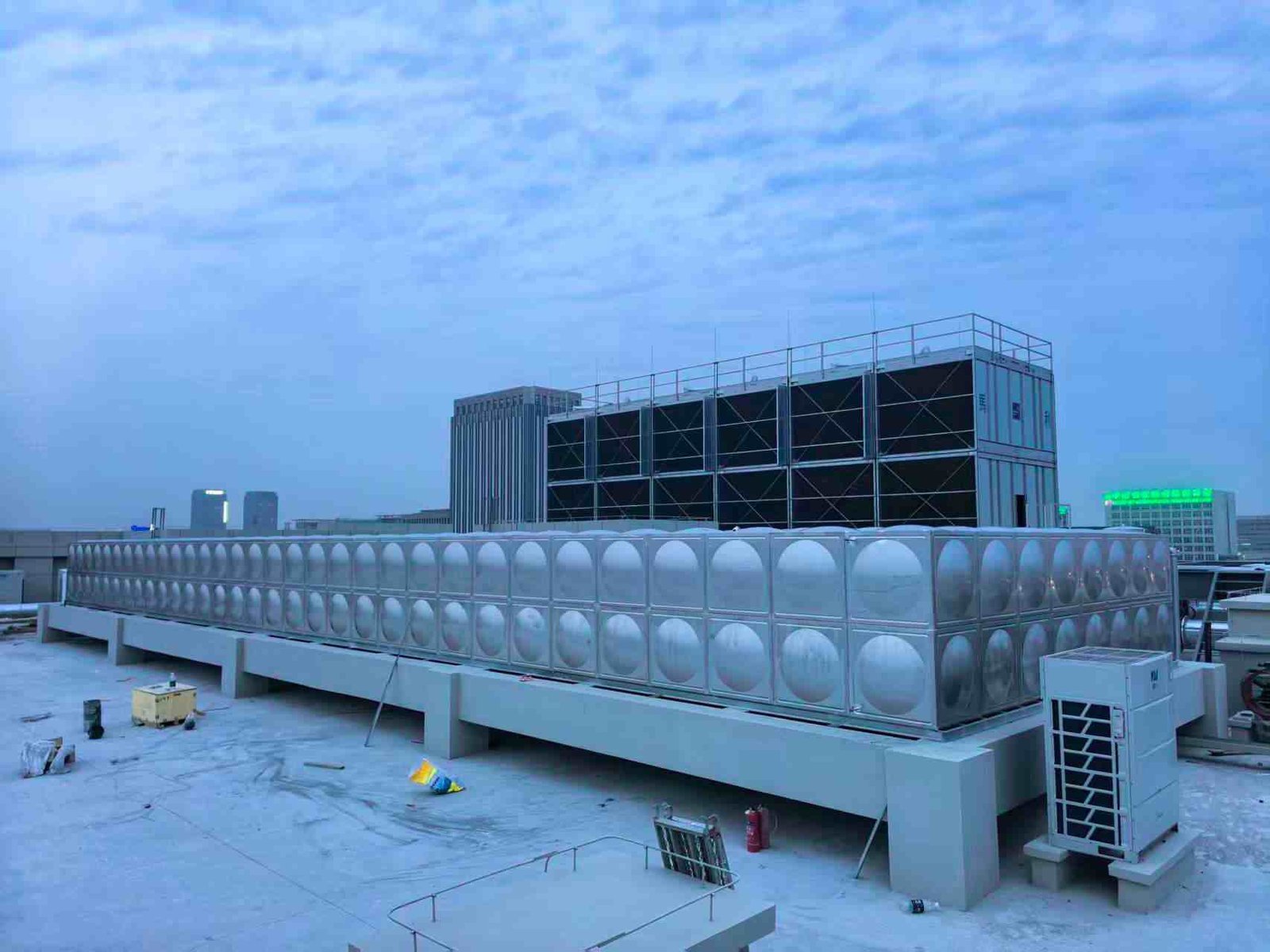
Quality and Lifecycle
Building owners live with the tank long after procurement is finished. Good water tank design should make inspection, cleaning, part replacement, and troubleshooting realistic.
Quality control should cover raw material consistency, panel molding quality, surface condition, dimensional accuracy, bolt hole alignment, sealing materials, reinforcement components, accessories, and packing protection. Missing accessories or incorrect flange details can delay installation even when panels themselves are acceptable.
ZENTVO supports product documentation, engineering review, production coordination, export packing, and site installation guidance. You can also review ZENTVO Quality Control, Certifications, and After-Sales and Lifecycle Support.
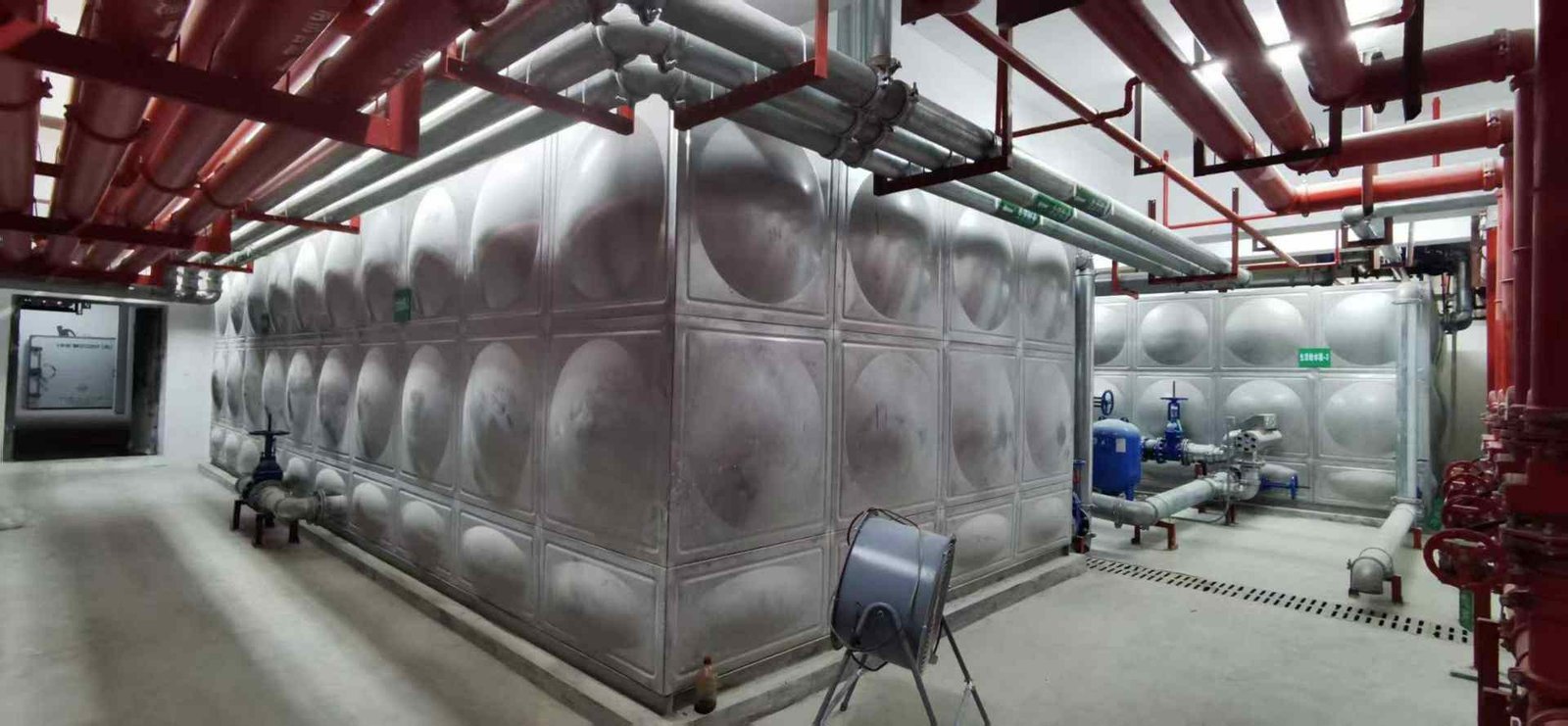
RFQ Checklist
The fastest way to receive a serious technical proposal is to send project conditions, not only capacity. A good manufacturer should respond with practical questions and a layout direction.
FAQ
An SMC panel water tank is a modular tank assembled from factory-molded sheet molding compound panels. It is commonly used in building projects because panels can be transported separately and assembled on site.
SMC describes the molded panel material. GRP and FRP are broader terms for glass or fiberglass reinforced plastic tanks. In many projects, an SMC panel tank is considered a type of GRP / FRP sectional water tank.
It can be used for potable water when the selected panels, sealants, accessories, and documents meet the project requirements. Potable water requirements should be confirmed before production.
Yes. Compartments can support maintenance, redundancy, or separation of water uses. The partition layout should be included in the tank drawing and confirmed with the MEP team.
Yes, if structural load, base design, wind exposure, drainage, access, safety, and maintenance requirements are reviewed by the project team before installation.
Request a quotation, tank layout drawing, technical data sheet, accessory list, packing list, installation guidance, inspection information, warranty statement, and relevant compliance documents if required.
Get a Technical Proposal
Send ZENTVO your tank capacity, building type, installation location, available dimensions, and connection requirements. Our team can help review the project information and prepare a practical quotation, layout direction, and technical proposal.