
Bolted vs Welded Steel Water Tanks: How to Choose for Middle East and Africa Projects
Site access, labor, delivery format, and how much field fabrication the project can absorb. AWWA D103 and D100 describe two valid paths—not a single winner.
Read the decision framework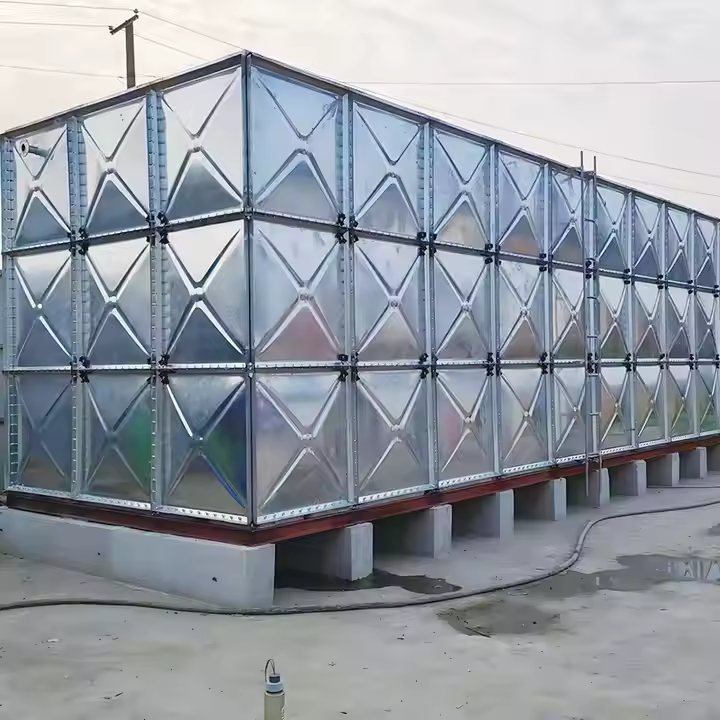
paths
Project execution, not a generic materials fight
The choice between bolted and welded steel water tanks is not really a materials debate. It is a project execution decision. For buyers and EPC teams working in the Middle East and Africa, the right construction method usually comes down to site access, labor availability, delivery format, and how much field fabrication the project can realistically absorb. Get those factors right first, and the tank type typically selects itself.
Both methods are commercially established. AWWA D103 covers factory-coated bolted carbon steel water tanks, while AWWA D100 covers welded carbon steel water tanks. Neither standard implies that one is superior. What they reflect is that the two construction approaches serve different project profiles. Understanding where each one fits is more useful than arguing which is generically better.
What separates bolted and welded tank construction in practice
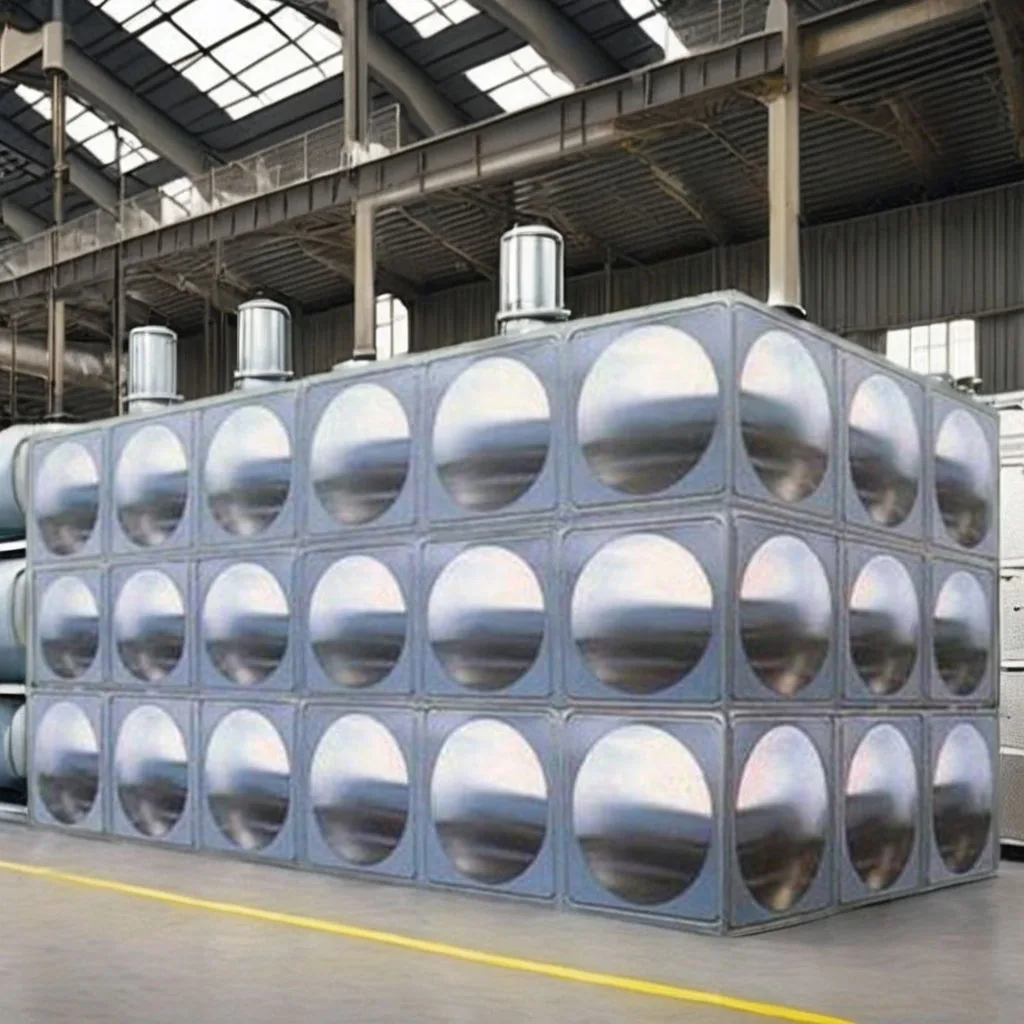
A bolted steel water tank (modular, panelized systems are a close commercial analogue to the bolted approach described in export discussions) is built from factory-produced panels that are shipped in parts and assembled on site using bolted connections. A welded tank is fabricated by joining steel plates through welding, either in a controlled workshop environment for smaller tanks or through field welding for larger installations.
That difference in how the tank is built creates downstream differences in how the product ships, how it is handled on site, how long installation takes, what kind of labor it requires, and what happens if you need to change or relocate the tank later.
For export-oriented B2B projects, the factory-panel format makes bolted-style tanks inherently more suited to modular shipping. Panels can be packed, containerized, and transported more efficiently than pre-fabricated welded shells. Welded tanks are not impossible to export, but they tend to require more on-site fabrication after arrival, which reintroduces execution variables that many project teams prefer to avoid.
Why bolted tanks fit MEA project conditions more often
Across the Middle East and Africa, many projects share a recurring set of constraints: remote or semi-remote site locations, variable local labor quality, tighter commissioning windows, and the practical difficulty of organizing full field-welding operations in locations without mature fabrication infrastructure.
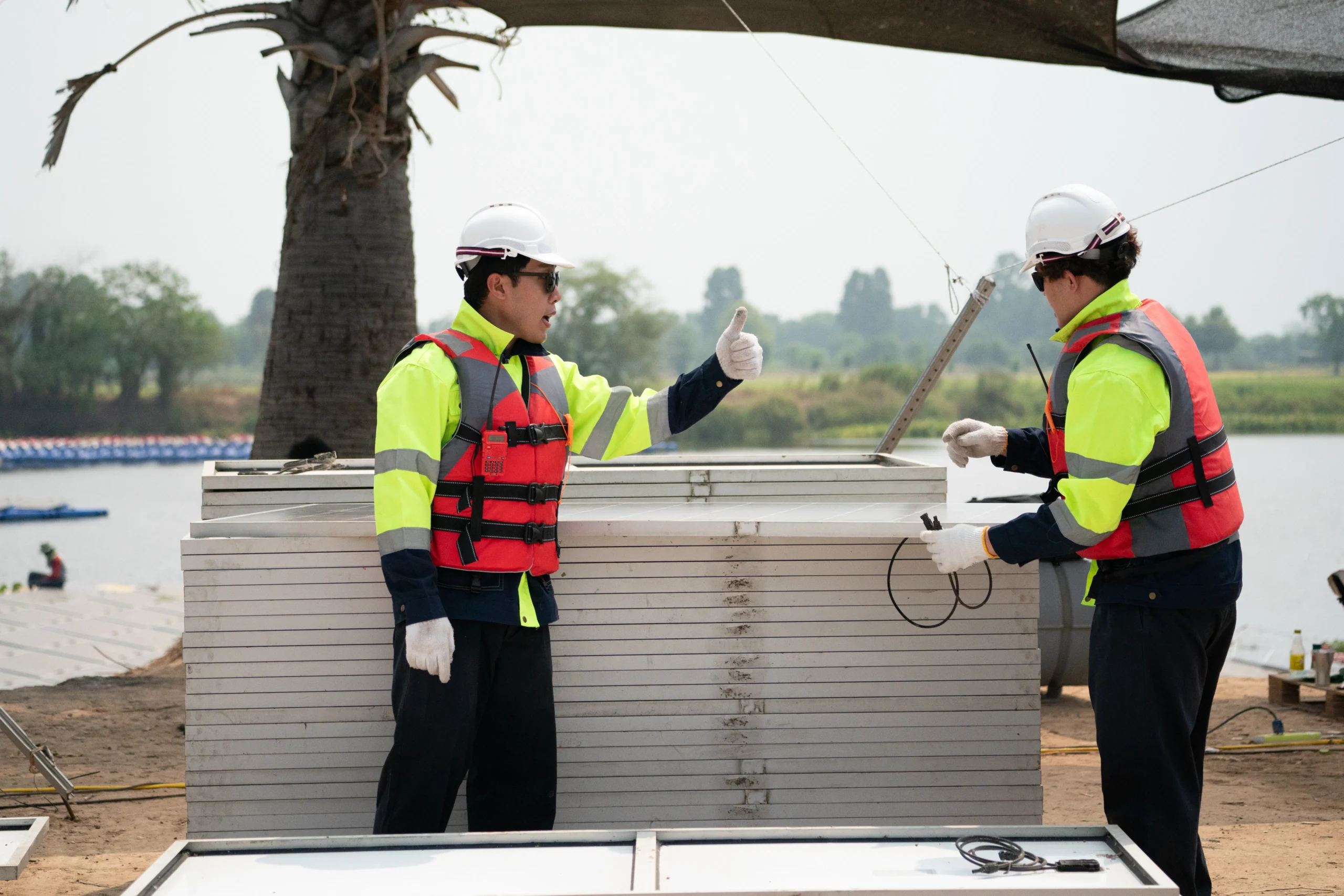
Under those conditions, bolted construction does not just become convenient, it becomes the lower-risk option. It reduces dependence on certified welders and hot-work permits on site, shortens the physical installation window, and allows the project team to bring a more predictable installation plan to the owner or developer.
There is also a logistics dimension. For projects that involve international shipping, cross-border delivery, or difficult inland transit after port arrival, the panel-based format of bolted tanks gives the procurement team more flexibility in packing, routing, and handling. When a missed container slot or a damaged oversized shipment can cause real schedule damage, that flexibility has commercial value.
This does not mean welded tanks are wrong for the region. It means that where site conditions are uncertain and project timelines are firm, bolted construction typically gives the EPC or procurement team better control over delivery and installation risk.
The five factors that matter most
Installation speed and site labor
Bolted tanks are assembled rather than fabricated on site, so the process depends on a smaller, more generalist labor pool. Welded field construction is viable when reliable welding resources are already on site and the timeline can absorb longer fabrication. That is more common on large infrastructure programs; less so on fast-track or smaller export jobs.
Transport and delivery format
Bolted tank panels can often be packed into standard shipping containers, which simplifies export planning. Larger welded units may need more complex transport or more work on site after arrival, increasing coordination weight and local variability.
Total installed cost
Comparing on unit price alone is a common mistake. The installed cost includes shipping, site labor, construction duration, and indirect costs from delays. Request delivered-and-installed cost estimates, not isolated tank quotations.
Expansion and relocation flexibility
Bolted construction is naturally modular, which helps staged capacity growth and makes relocation more feasible. Welded tanks are often intended to stay where they are built. For permanent fixed infrastructure with no anticipated changes, this factor weighs less.
Long-term maintenance approach
Bolted tanks suit a modular maintenance mindset: individual panels or components can be addressed without treating the whole tank as a monolith. Welded tanks suit a fixed-infrastructure approach. In hot climates, also consider whether you need insulated water tank options to stabilize storage temperature, depending on spec and water use.
When a bolted tank is the right call
Bolted steel water tanks are typically the better project fit when:
- The site is remote or has limited local fabrication resources
- Welding labor availability on site is uncertain or expensive to organize
- The project involves export shipping or cross-border delivery
- Installation time is a constraint and the team needs a faster path to commissioning
- Future expansion or capacity changes are possible
- The owner wants modular delivery with local assembly and water tank installation support from the supplier
These conditions are common across infrastructure, industrial, municipal, and commercial projects in the Middle East and Africa. They describe a large share of the project landscape buyers and EPC teams operate in.
When welded tanks still hold up
Welded steel water tanks remain a reasonable choice for:
- Very large permanent installations where the project already has organized field welding capability
- Owners with an established long-term maintenance infrastructure built around permanent welded assets
- Projects where relocation and modular expansion are not relevant
- Sites with strong local fabrication resources and no transport or logistics constraints
Welded construction is not an outdated method; it is a different project profile. Large permanent reservoirs and storage systems at established industrial or municipal facilities often fall into this category. For application context across sectors, see industrial and municipal water storage solutions on ZENTVO.
Questions to settle before choosing
Pre-decision brief
Answer these before committing to a construction method.
How to apply this to your project
For most Middle East and Africa projects, especially those involving export delivery, remote sites, or fast-track installation, bolted steel water tanks are the default practical option. They reduce execution risk at delivery, installation, and commissioning, and they leave future flexibility open.
For large permanent projects with full field construction capability and no change requirements, welded tanks remain a legitimate choice and should not be dismissed simply because bolted construction is often more convenient.
The most useful approach is to start from project constraints, not product preference. Define delivery conditions, labor, schedule, and long-term plans; the right tank type usually becomes clear before a detailed specification shootout. If climate or process temperature matters, review insulated water tank options alongside the bolted versus welded decision.
Defining those parameters early also makes supplier conversations more productive and cuts rework on requirements that could have been settled earlier.
Compare bolted and welded options on your actual project data
Tell us your required capacity, project location, and installation conditions. We can help you evaluate which construction path fits, and provide a delivery-ready quotation based on your parameters.
All three options route to the ZENTVO contact team with your brief; use whichever label matches your internal approval path.