Insulated GRP
Water Tank
Modular sectional water storage with integrated thermal insulation — engineered for cold climates and temperature-sensitive applications.
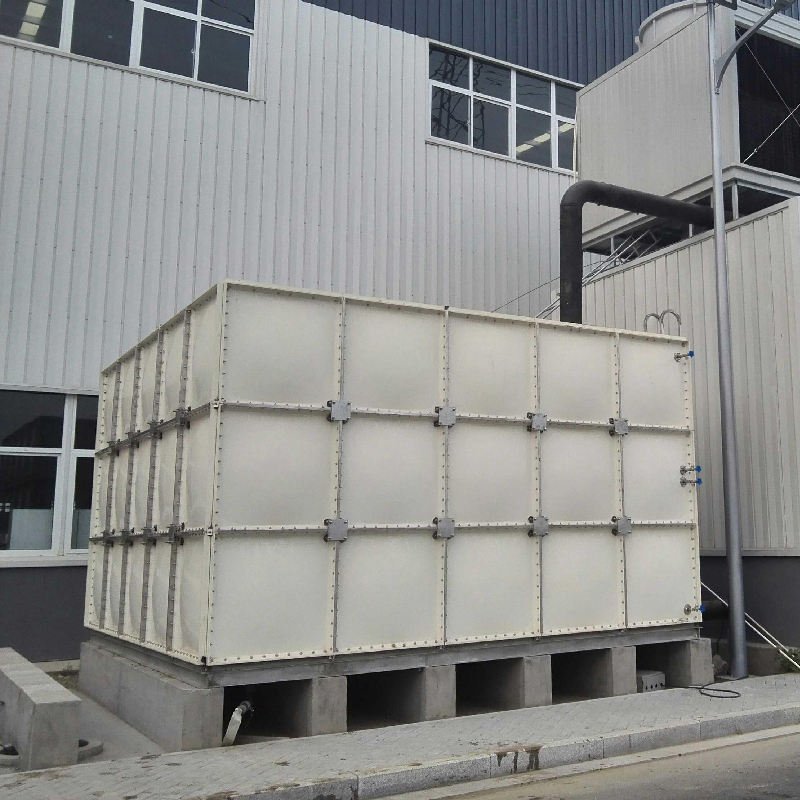
What Is an Insulated GRP Water Tank?
GRP Panels with Integrated Thermal Insulation
An insulated GRP water tank is a modular sectional water tank made from glass-reinforced plastic panels and fitted with a thermal insulation system to reduce heat transfer between the stored water and the surrounding environment. Industry guidance describes insulated cold-water sectional tanks as GRP tanks with insulated sidewalls and lid, commonly using rigid closed-cell polyurethane foam, while noting that insulation slows heat loss or gain rather than eliminating it entirely over prolonged periods.
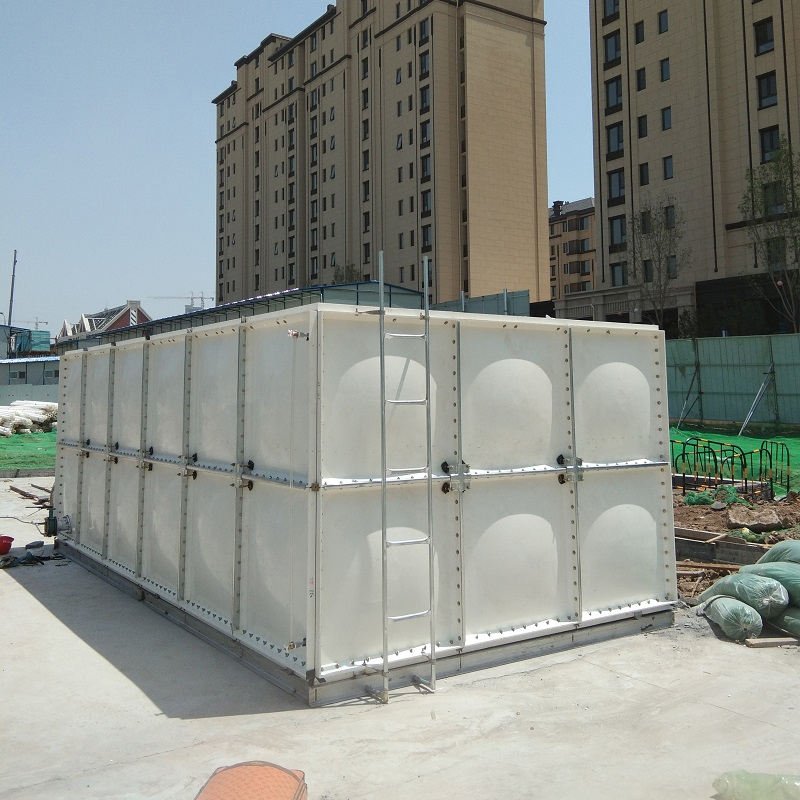
A Project-Ready Insulated Water Storage Solution
This product is not a generic “hot climate tank.” It fits naturally into ZENTVO’s engineering-driven architecture as a complete project solution — from requirement review and project-specific drawings, through controlled manufacturing and pre-shipment inspection, to export packaging, installation guidance, and lifecycle support. That approach is consistent with how ZENTVO delivers quality control and after-sales service across every product line.

Typical Applications
ZENTVO Insulated GRP Water Tanks are designed for projects where stored-water temperature needs to be protected and the tank may be exposed to seasonal or environmental temperature variation. Based on that positioning, this product is most appropriate for the following scenarios.
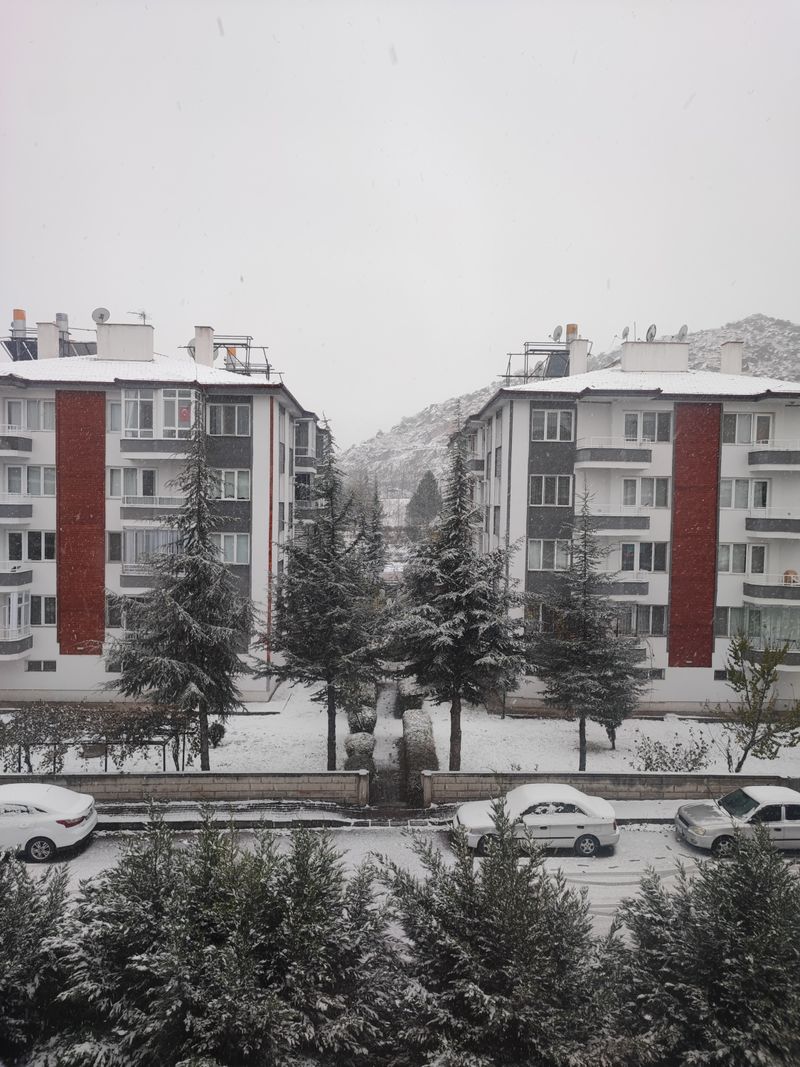
Cold Climate Building Water Supply
Suitable for residential, commercial, and service buildings that need insulated water reserve or break-tank storage in winter conditions or unheated plant areas.
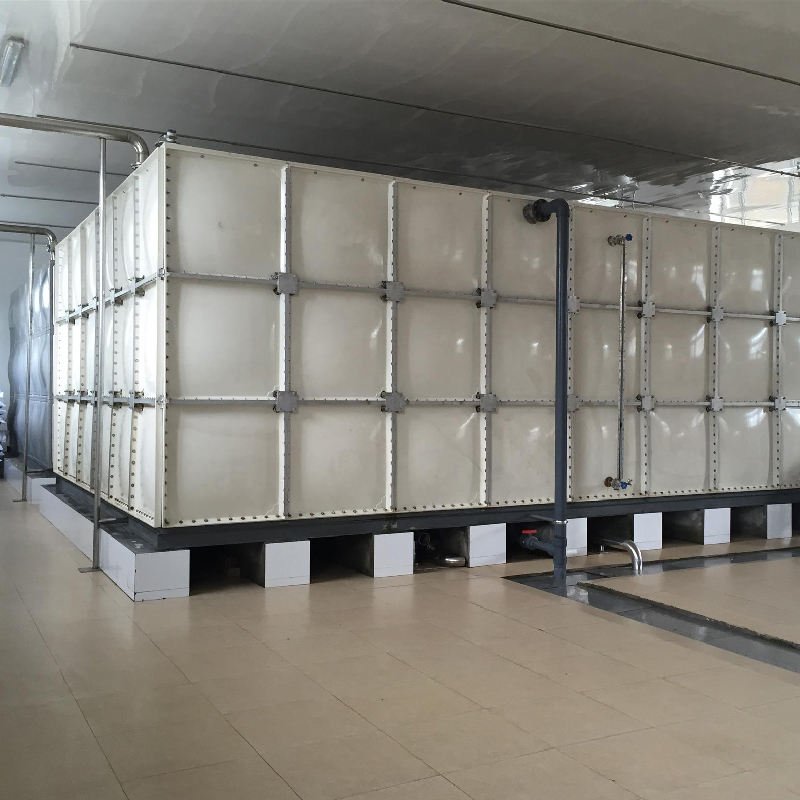
Temperature-Sensitive Utility Water Storage
Useful where stable water temperature is important for operation, continuity, or downstream system performance. Industry references describe insulated tanks as a practical solution where temperature variation would otherwise affect stored water.
Outdoor and Rooftop Installations
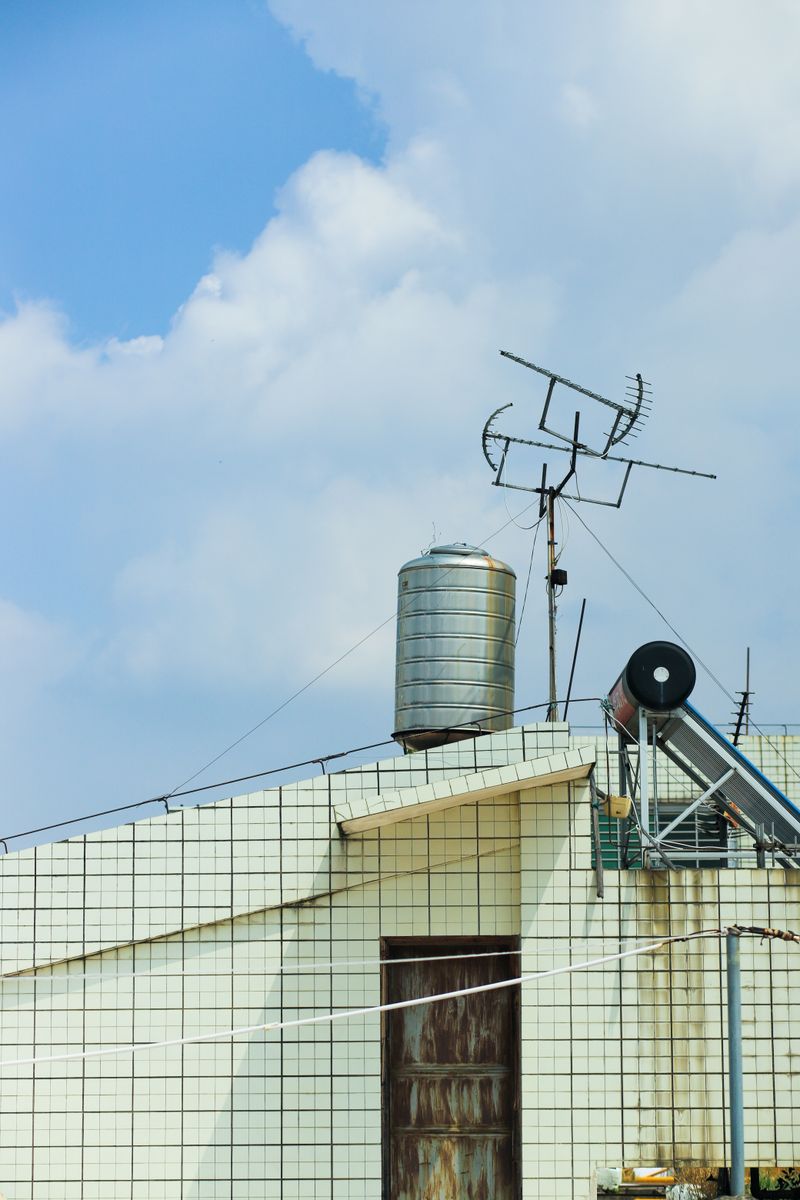
Insulation is often valuable where a GRP tank is exposed to the external environment and the project wants to reduce direct environmental influence on stored water temperature. Industry literature for insulated sectional tanks commonly discusses sidewall and roof insulation in outdoor installations.
Potable and Clean Water Systems
If the selected system is intended for clean water or potable-water projects, insulated GRP construction can be combined with project-specific approval and documentation support. ZENTVO’s standards section lists potable-water references such as NSF / ANSI 61 and WRAS, while noting that compliance depends on the specific material system and application.
Product Description
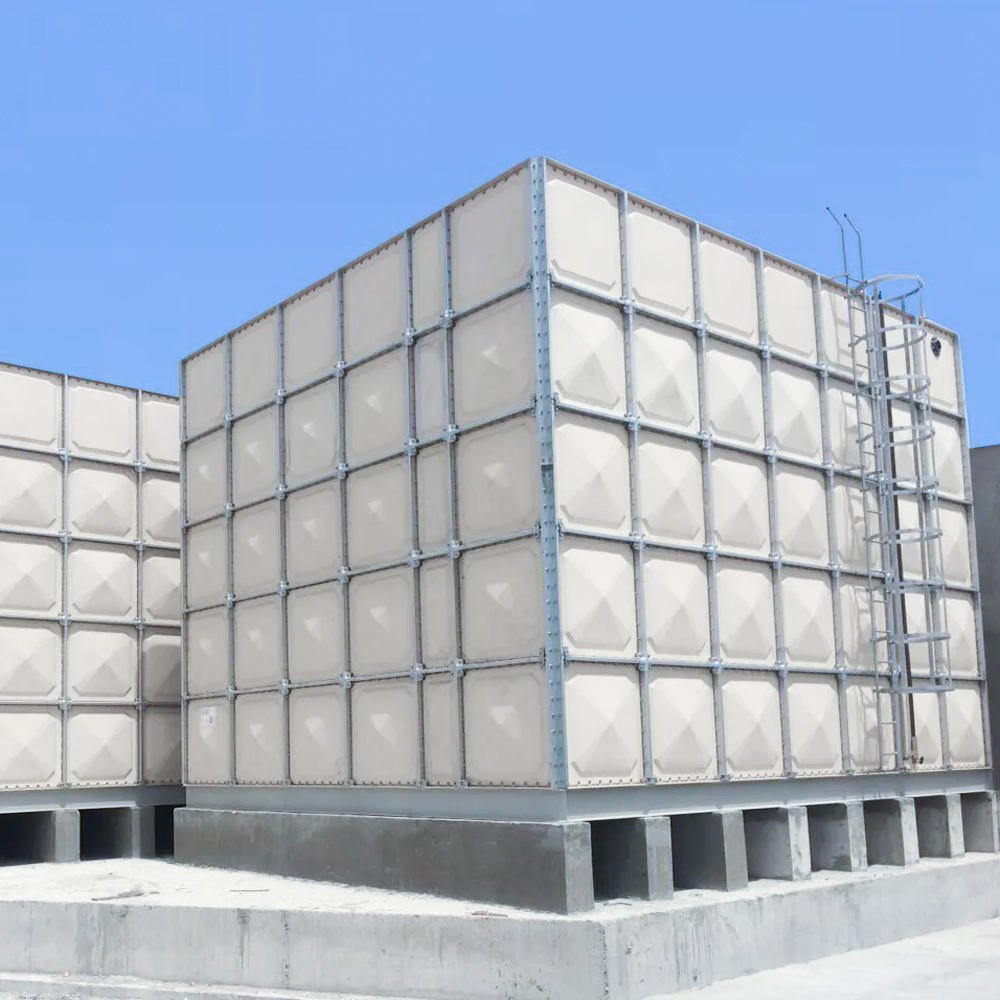
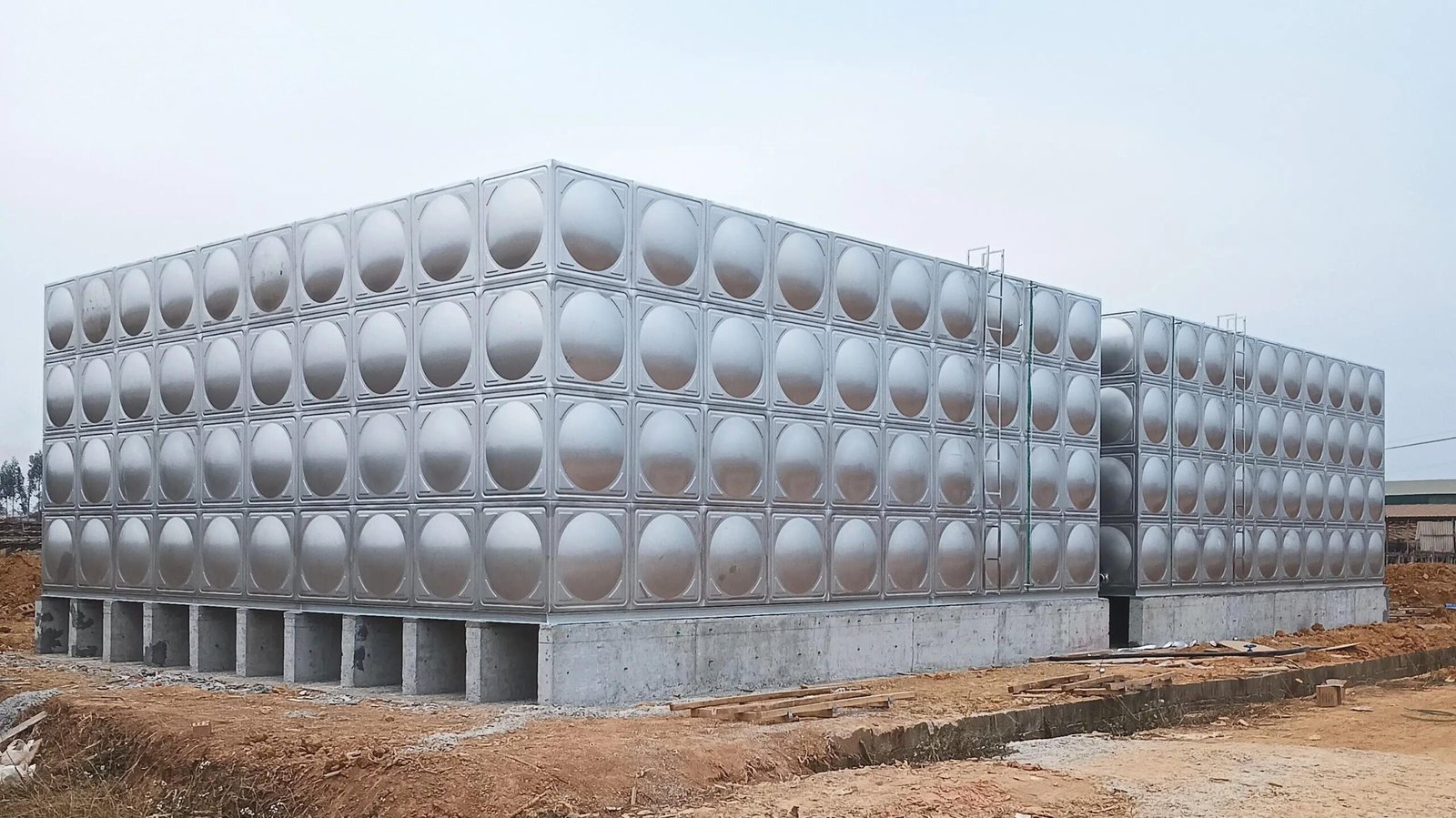
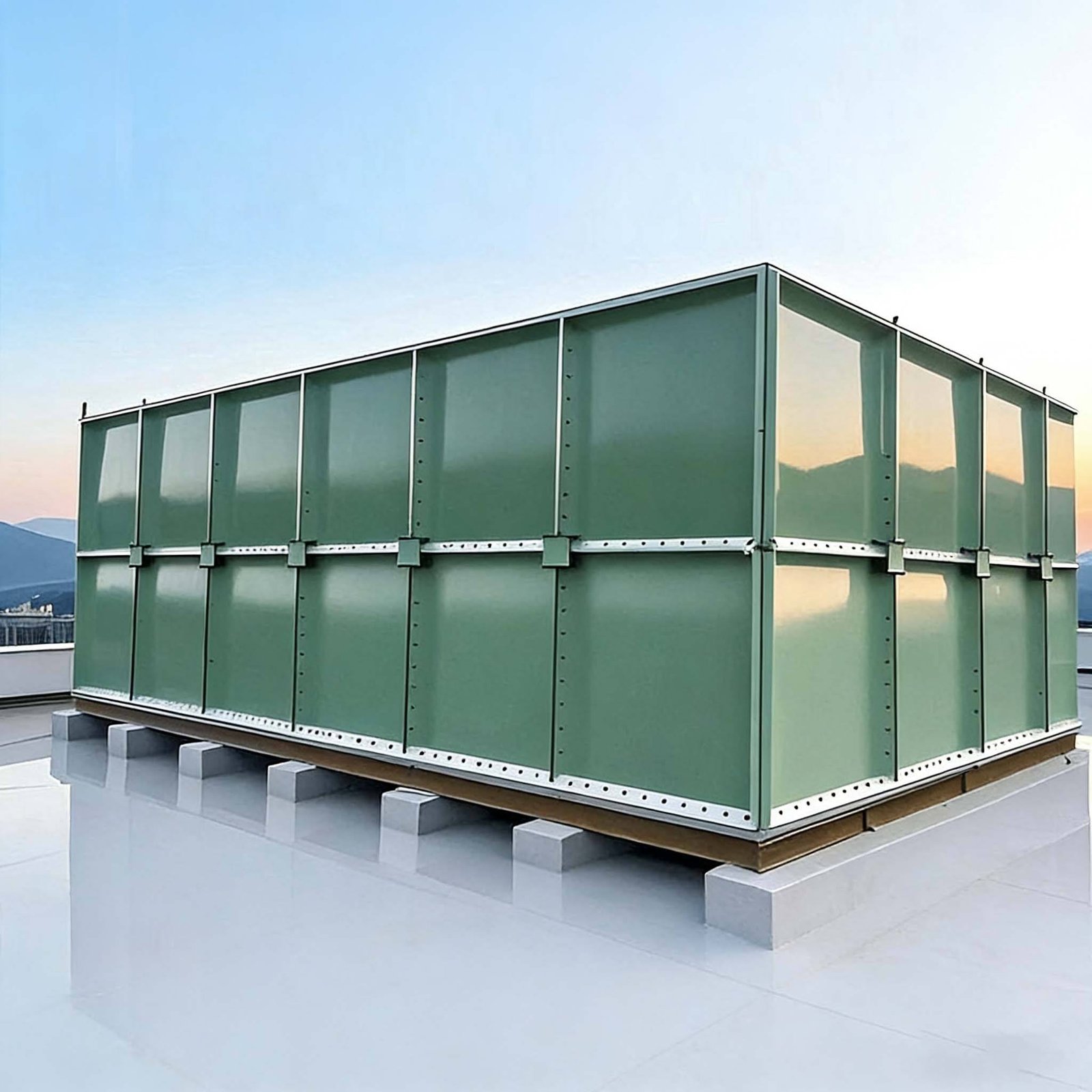
ZENTVO Insulated GRP Water Tanks are designed as sectional modular thermal water storage systems. The tank body is assembled from GRP panels, sealing materials, fastening components, supports, and project-specific accessories, while the insulation layer is applied as part of the insulated tank configuration to reduce heat transfer through the tank envelope.
Public insulated sectional tank manuals describe this configuration as insulated sides and lid, commonly using rigid closed-cell polyurethane foam with a protective outer skin, while also noting that additional insulation may sometimes be needed in specific applications such as boiler rooms or other thermally sensitive installations.
For ZENTVO, the product value is not only the insulated panel system itself. It also includes the engineering and delivery workflow behind the tank: site and application review, drawing confirmation, connection planning, quality checks, export packing, installation guidance, and after-sales support.
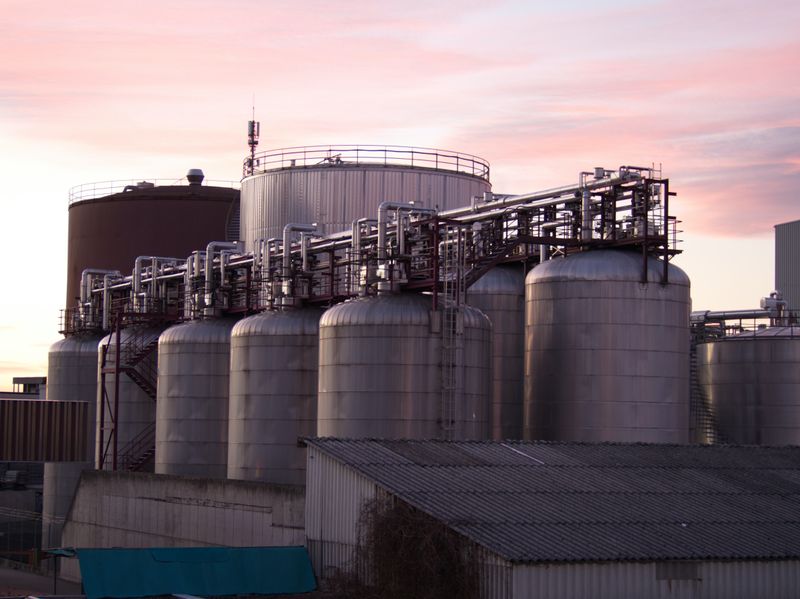
Main Components of an Insulated GRP Water Tank
Each system is assembled from standardized structural, thermal, and functional components — configured to project-specific requirements.

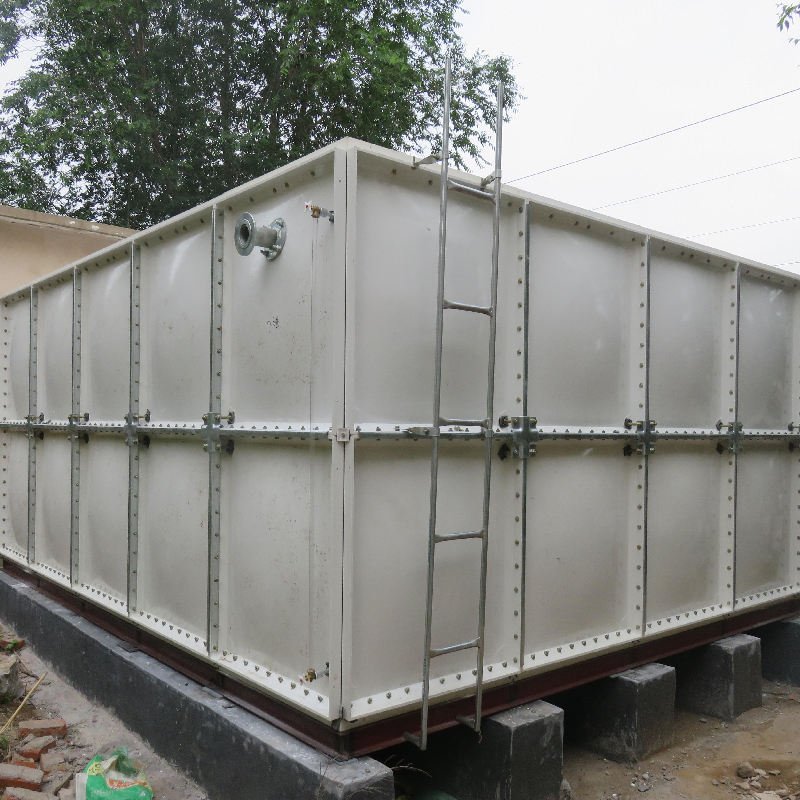
GRP Structural Panels
Modular GRP panels form the wall, base, and roof structure of the tank, creating the main storage enclosure and load-bearing shell. ZENTVO presents GRP tanks as lightweight, corrosion-resistant solutions for long service life in demanding environments.
Thermal Insulation Layer
Industry guidance for insulated sectional tanks commonly uses rigid closed-cell polyurethane foam as the insulation layer, typically protected by an outer skin or encapsulated cover system. Public sources note that 50 mm is a commonly recommended insulation thickness in colder conditions, although exact thickness depends on climate and design intent.
Sealing and Joint System
Sealing materials are installed between adjacent panels to support watertight assembly and stable long-term joint performance. ZENTVO’s homepage FAQ states that panels and sealing systems are tested for dimensional accuracy and leakage before shipment.
Standard Connections
A typical insulated water tank configuration includes inlet, outlet, overflow, and drain. Additional ports can be configured for vents, sensors, recirculation, sampling, or project-specific control requirements. ZENTVO emphasizes confirming flange standards, sizes, quantities, and locations before production.
- Inlet
- Outlet
- Overflow
- Drain
- Vents
- Sensors
Access and Maintenance Items
Depending on project scope, the system may include inspection openings, manholes, internal and external ladders, level indicators, partition arrangements, insulated lid and sidewall treatment, and additional maintenance-related accessories.
- Manhole
- Ladders
- Level Indicator
- Partitions
- Insulated Lid
- Access Hatch
Technical Data
Practical Technical Scope for Buyer Review
| Product type | Modular sectional insulated GRP water tank |
| Primary function | Reduce heat transfer and stabilize stored-water temperature |
| Best-fit scenarios | Cold climates, outdoor exposure, temperature-sensitive water storage |
| Configuration | Project-specific |
| Capacity | Based on approved design |
| Dimensions | Based on site footprint and height limits |
| Standard connections | Inlet / outlet / overflow / drain |
| Optional connections | Vent, level sensor ports, recirculation, sampling or control ports |
| Optional accessories | Ladders, inspection opening, level indicator, partition, support base options |
| Engineering deliverables | CAD / GA drawings, connection schedule, technical data, submittal support |
| Delivery | Export packaging, shipping documents, EXW / FOB / CIF / DAP |
| Support | Installation guidance, commissioning support, after-sales service |
| Panel layout | Sectional modular tank using square and half-panel increments |
| Insulation location | Sidewalls and lid are commonly insulated |
| Insulation material | Rigid closed-cell polyurethane foam is a common industry solution |
| Thickness guidance | 50 mm commonly recommended in colder climates |
| Design limitation | Insulation slows heat loss/gain but does not eliminate it indefinitely |
| Additional note | Some applications may also require base insulation |
- Project-specific CAD / GA drawings
- Tank layout and dimensional confirmation
- Flange and nozzle schedule
- Technical data sheet and specification support
- Consultant / EPC submittal package
- Drawing revision support during approval
- Installation manuals and method statements
- Commissioning support and handover documentation
- Packing list and shipping documents
- Warranty statement
For technical inquiries, drawing preparation, and submittal support — across all time zones.
Project-specific CAD packages
Consultant & EPC documentation
Support across all time zones
Manufacturing, Quality Control & Inspection
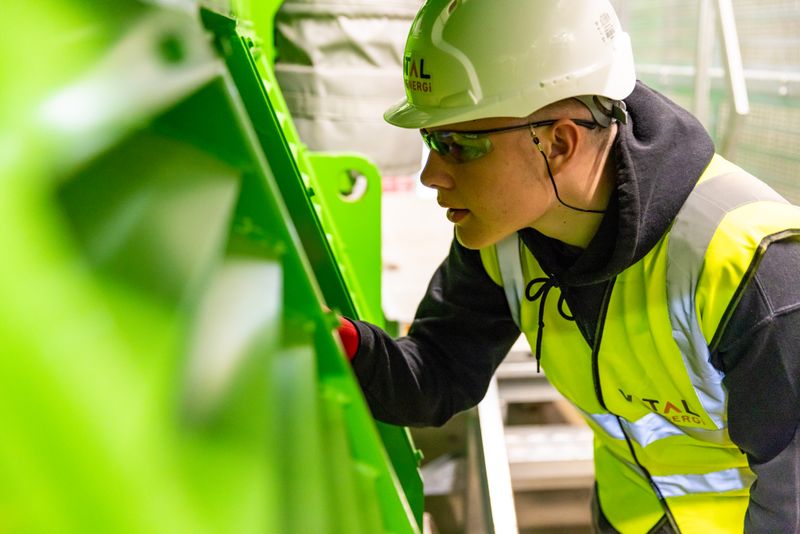
ZENTVO’s approved designs move into controlled manufacturing and QA procedures, with certified material verification, controlled fabrication and assembly, in-process inspections, and hydrostatic and performance testing prior to shipment. Panels and sealing systems are tested for strength, dimensional accuracy, and leakage before shipment.
For insulated GRP tanks, this matters because thermal performance is only one part of system reliability. Buyers also want confidence that panel fit, insulation execution, sealing integrity, and shipment quality are controlled before the tank reaches site. ZENTVO supports FAT and third-party inspection on request for specification-driven projects.
verification
performance testing
inspections
inspection support
Packing, Logistics & Delivery
ZENTVO provides 15–35 working days lead time, export packaging, and delivery terms including EXW / FOB / CIF / DAP as part of its global logistics workflow. Organized packing and clear itemized documentation help reduce missing-item risk, simplify unloading, and improve installation readiness on site.
This is particularly important for insulated systems because damaged outer skins, missing insulated covers, or incomplete accessories can affect both assembly efficiency and thermal performance. ZENTVO emphasizes export-ready documentation and controlled delivery support across all product lines.
lead time
CIF / DAP
documentation
packaging

Installation, Commissioning & After-Sales Support
ZENTVO provides installation manuals and method statements, remote technical guidance during installation, on-site technical support for qualified projects, commissioning support and handover documentation, maintenance guidance, and warranty-backed technical support — with up to 15 years coverage for GRP / FRP tank systems depending on configuration and operating conditions.
For insulated GRP tanks, installation quality affects both water-tightness and thermal performance. Proper handling of insulated covers, sealed cut-outs, access hatches, and pipe penetrations is part of getting the final system right. Industry manuals also emphasize proper sealing of cut-outs and maintenance of insulated components to keep the tank compliant and effective over time.
& method statements
technical guidance
warranty coverage
& handover docs
How to Specify an Insulated GRP Water Tank
To receive an accurate recommendation and quotation, send ZENTVO the following project details. This inquiry structure aligns with ZENTVO’s published engineering workflow and makes the process faster for both buyers and engineering teams.
Send Your Specification NowFAQ — Insulated GRP Water Tank
Ready to Specify a ZENTVO Insulated GRP Water Tank?
Send your project requirements and get a project-specific engineering proposal, drawing package support, and quotation from the ZENTVO team. Fast engineering response, quality testing before shipment, and installation guidance for global sites.