Welded Stainless Steel
Water Tank
Rigid, hygienic water storage engineered for long-term structural stability. Designed for municipal, industrial, and firefighting projects requiring a fully welded rigid structure, clean internal finish, and dependable lifetime performance.
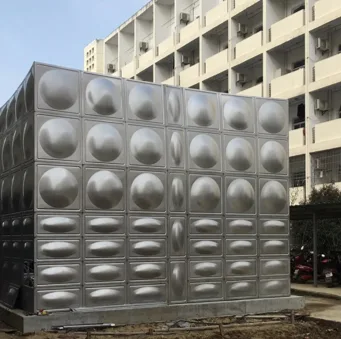

What Is a Welded Stainless Steel Water Tank?
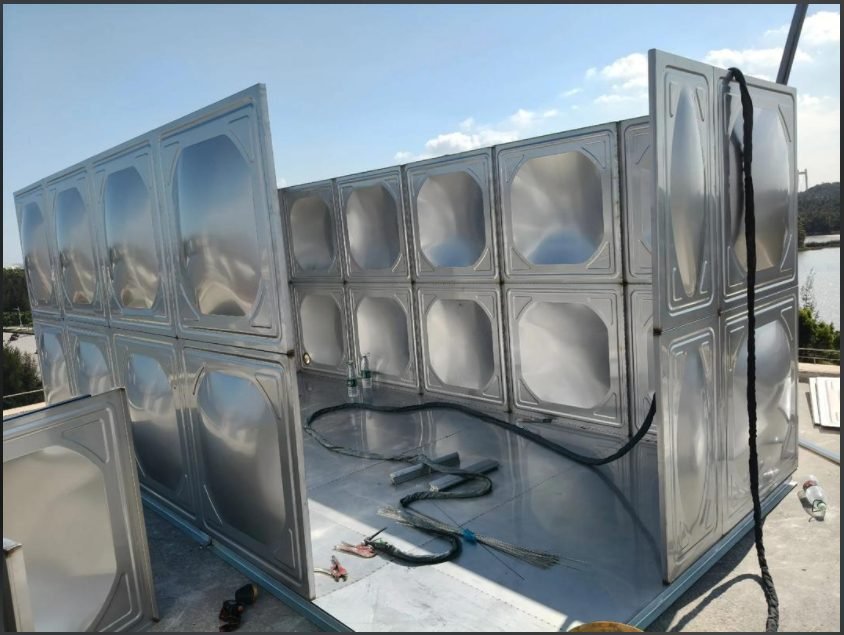
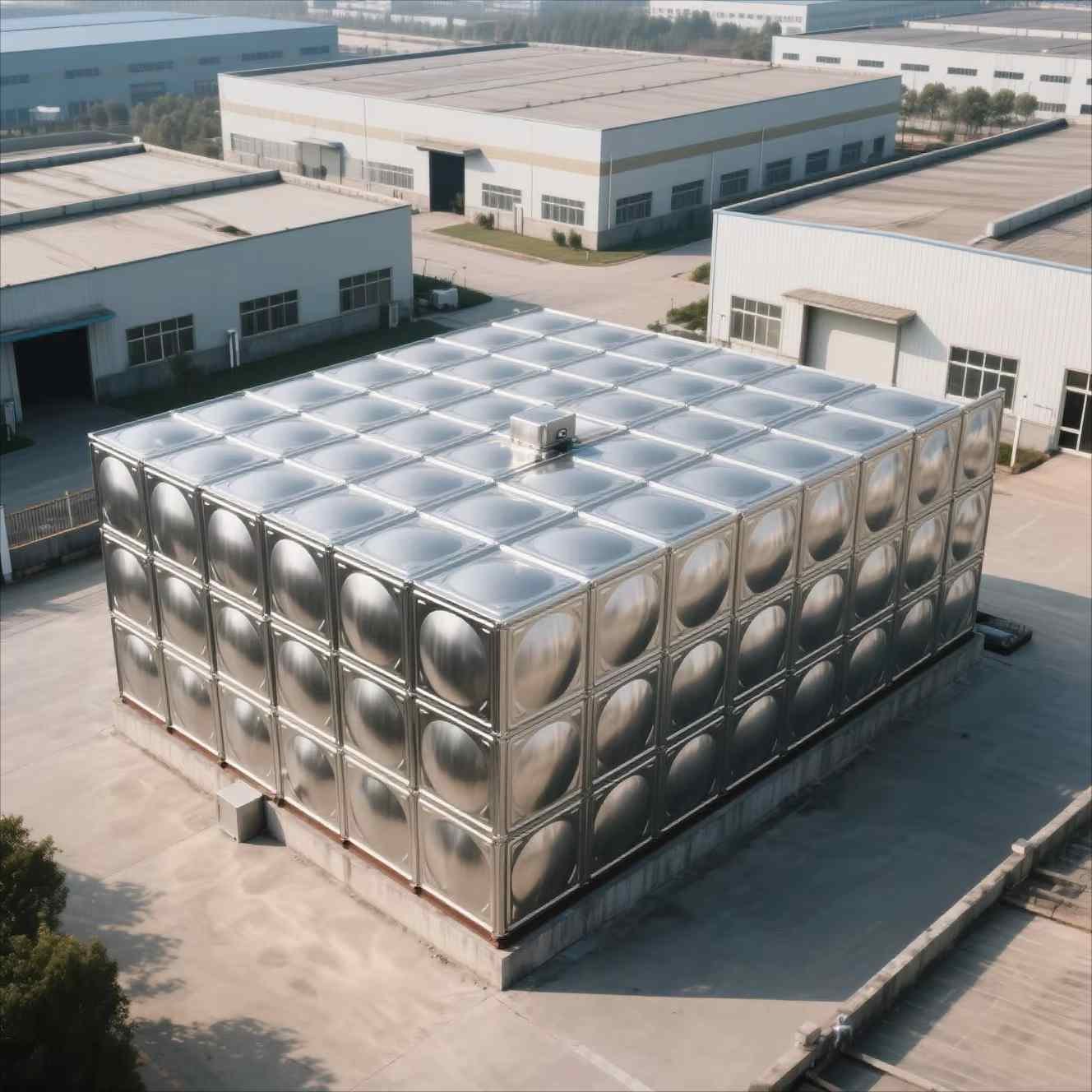
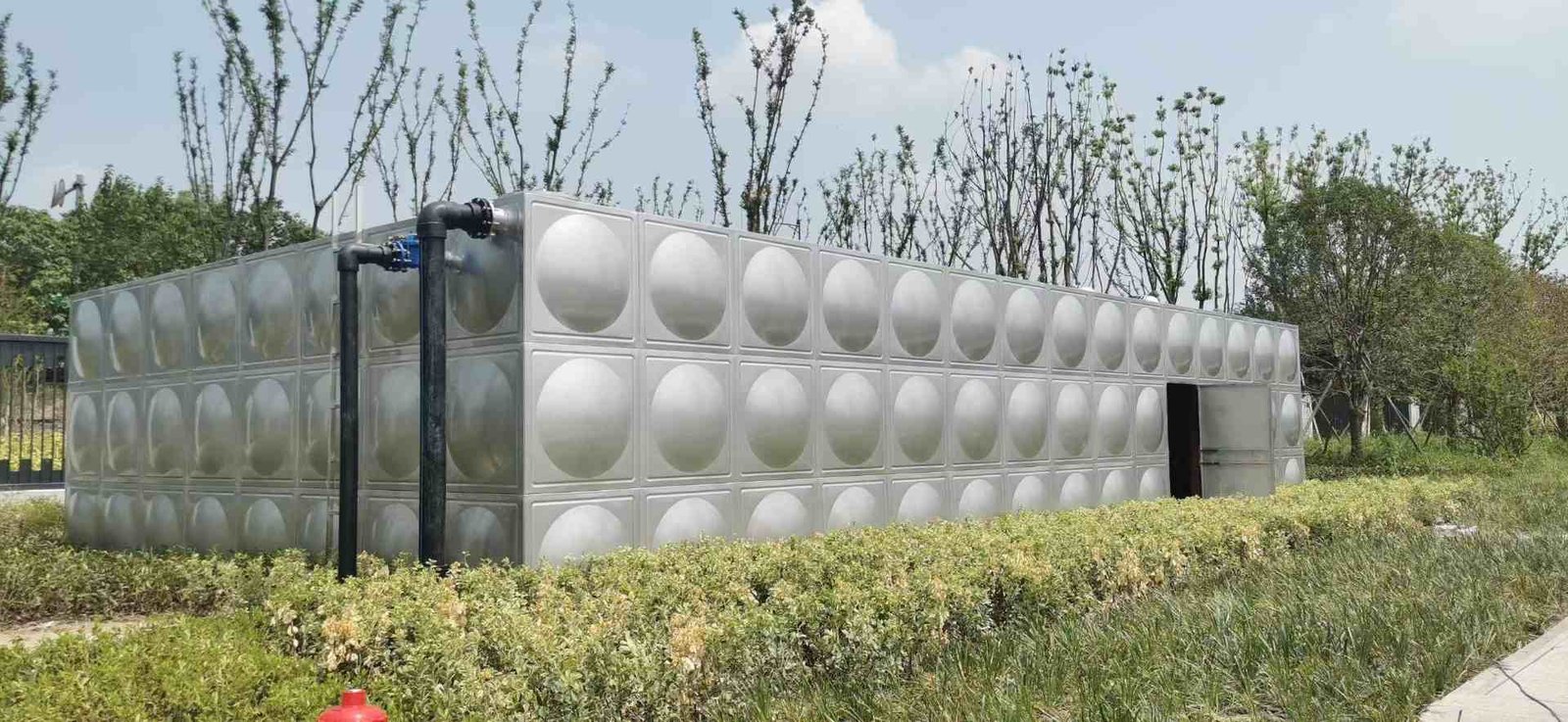
A welded stainless steel water tank is a water storage tank fabricated from stainless steel sheets or plates and joined by continuous welded seams rather than bolted panel joints. Welded tanks are chosen when the project prefers a rigid monolithic structure, a smooth and clean appearance, and fewer mechanical joints in the final tank body.
For ZENTVO, a welded stainless steel tank is framed as a project-ready welded storage solution: requirement review, grade selection, project-specific drawings, controlled fabrication, inspection before shipment, export-ready delivery, installation support, and lifecycle service.



Product Description
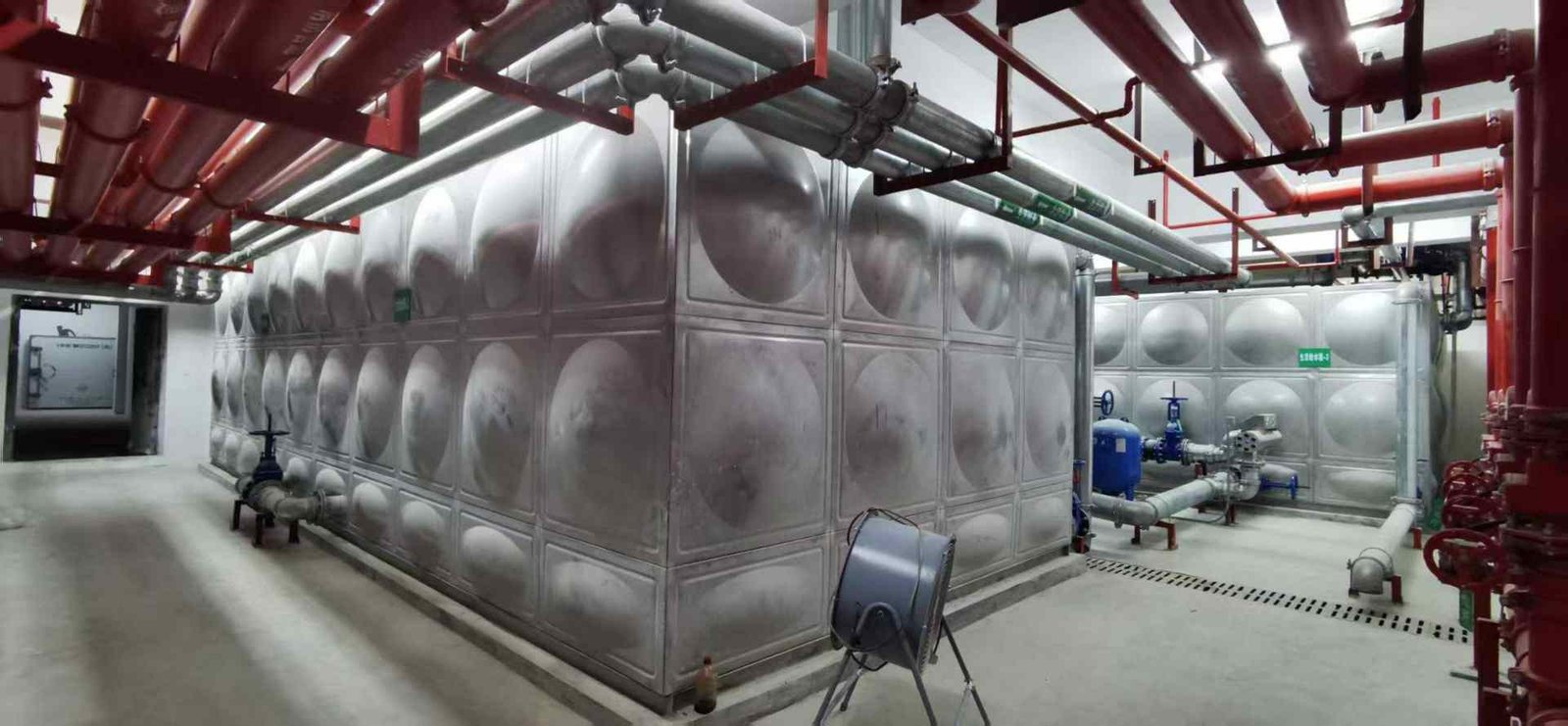
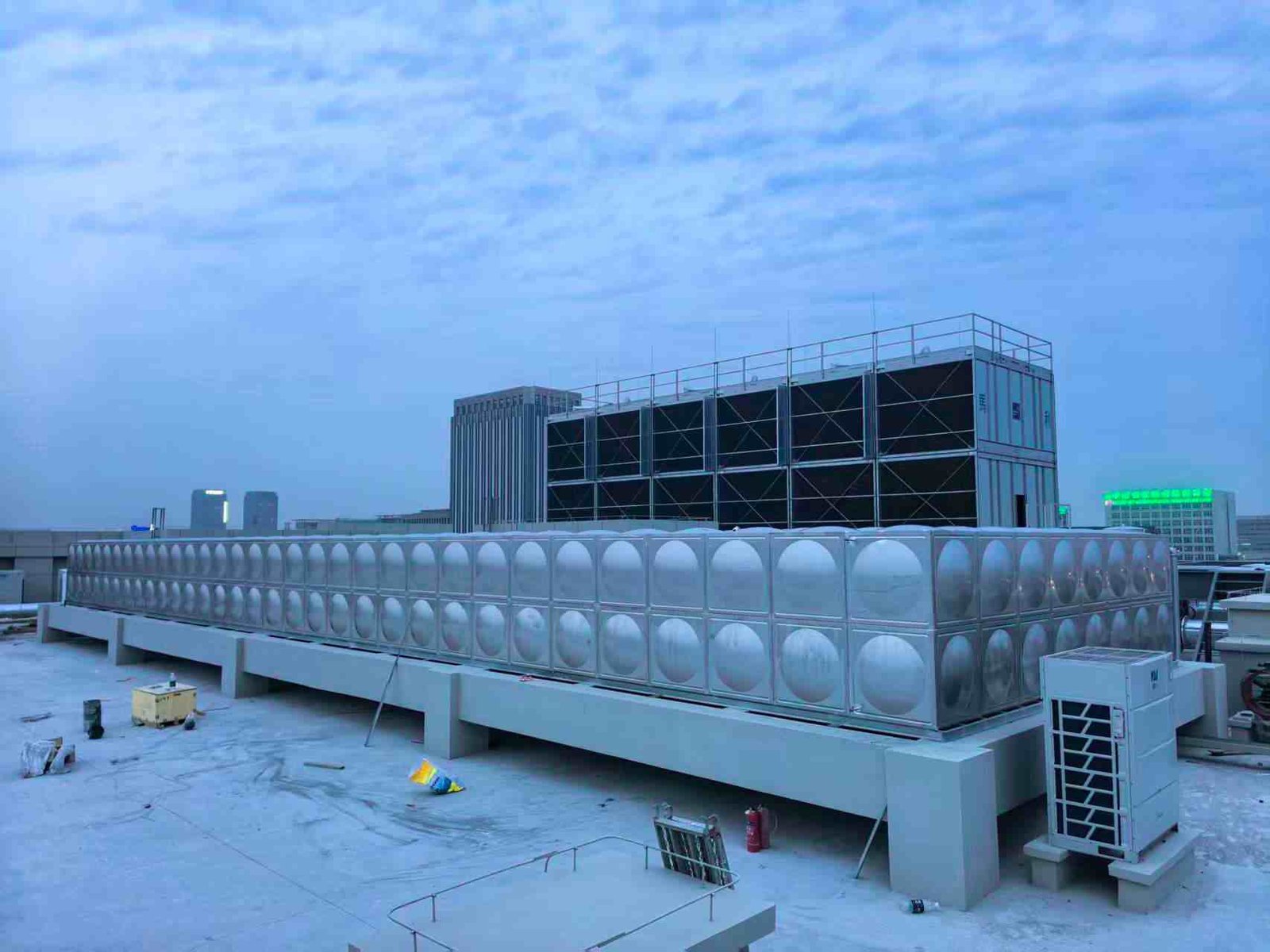
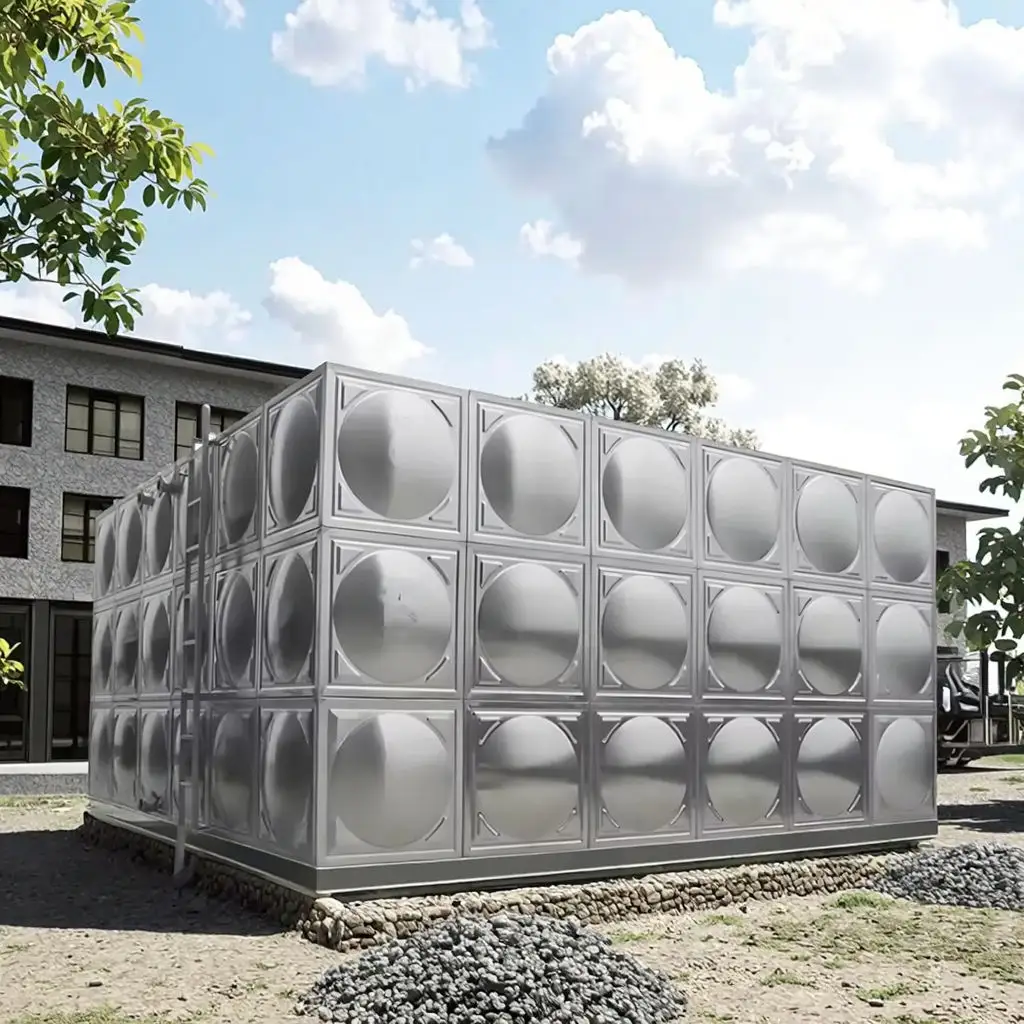
ZENTVO Welded Stainless Steel Water Tanks are designed as fabricated stainless storage systems for projects that want the benefits of a welded shell rather than a bolted-panel assembly. The tank body is fabricated from stainless steel sheets or plates, joined by welds, and integrated with nozzles, access openings, structural supports, and maintenance details according to the approved design.
The product is best suited to installations where the project values rigid construction, clean finish, and long-term structural stability. What the buyer purchases is a full project solution: requirement intake, grade review, drawings, nozzle planning, fabrication, inspection, export packing, installation guidance, and after-sales support.
| Item | ZENTVO Welded Stainless Steel Water Tank |
|---|---|
| Product type | Fully welded stainless steel water tank |
| Main product character | Rigid construction with clean finish and long-term structural stability |
| Primary applications | Potable water, building water supply, utility water, project-based clean-water storage |
| Material grades | Project-selected stainless grade, commonly 304 / 304L or 316 / 316L depending on service conditions |
| Construction method | Fabricated and welded stainless shell with integrated nozzles and accessories |
| Configuration | Project-specific |
| Capacity | Based on approved design |
| Dimensions | Based on site footprint, height limits, and operating requirements |
| Standard connections | Inlet / outlet / overflow / drain |
| Optional connections | Vent, level sensor ports, recirculation, sampling or control ports |
| Optional accessories | Ladders, inspection opening, level indicator, partition, support base options |
| Engineering deliverables | CAD / GA drawings, connection schedule, technical data, submittal support |
| Delivery | Export packaging, shipping documents, EXW / FOB / CIF / DAP |
| Support | Installation guidance, commissioning support, after-sales service |
Choosing 304, 304L, 316, or 316L
World Stainless and Nickel Institute guidance support the following grade-selection logic based on project conditions. 316’s molybdenum content improves resistance to pitting and crevice corrosion relative to 304, while low-carbon “L” grades are commonly used where welding performance and post-weld corrosion behavior are important.
| Scenario | Recommended Direction |
|---|---|
| General inland potable water | 304 / 304L |
| Ordinary building water supply | 304 / 304L |
| Coastal / marine-influenced location | 316 / 316L |
| Higher chloride or chlorine exposure | 316 / 316L |
| More demanding corrosion environment | 316 / 316L or higher |
| Extensive welding / weld sensitization concern | 304L / 316L |
Grade Selection Is Project-Specific
Final grade selection should always be confirmed based on the specific water chemistry, chloride exposure, environmental conditions, and applicable project standards. ZENTVO’s engineering team supports grade-selection review as part of the project proposal process.
Controlled Fabrication for Corrosion Performance
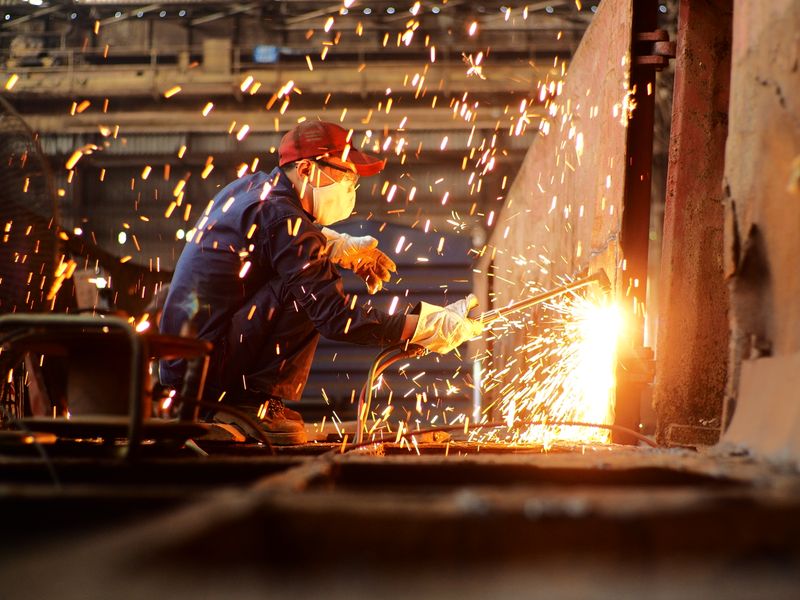
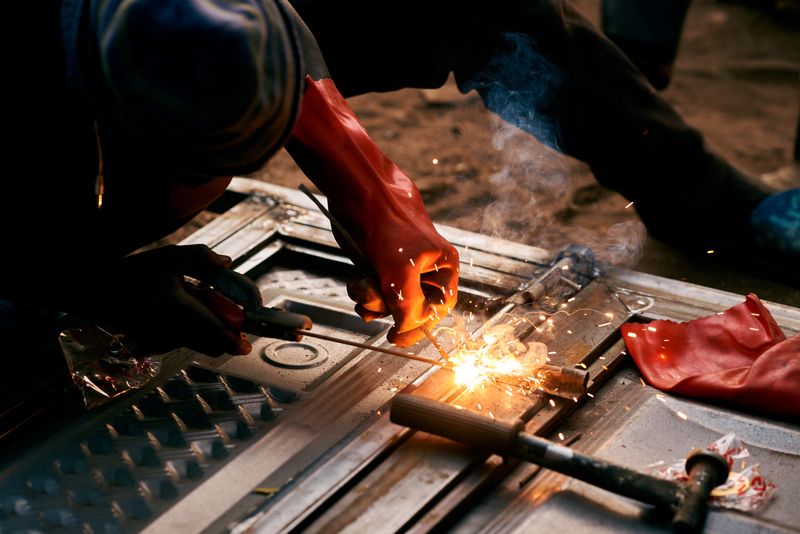
For welded stainless tanks, fabrication quality is critical. Nickel Institute guidance emphasizes that stainless fabrication should be kept separate from carbon-steel work, contamination must be avoided, and effects of welding that interfere with corrosion resistance must be removed. ASTM A380 is the principal reference for cleaning, descaling, and passivation of stainless steel parts and systems.
In practical terms, corrosion performance depends not only on using 304 or 316, but also on how the tank is cut, welded, cleaned, descaled, and passivated before delivery.
Inspection & Verification Workflow
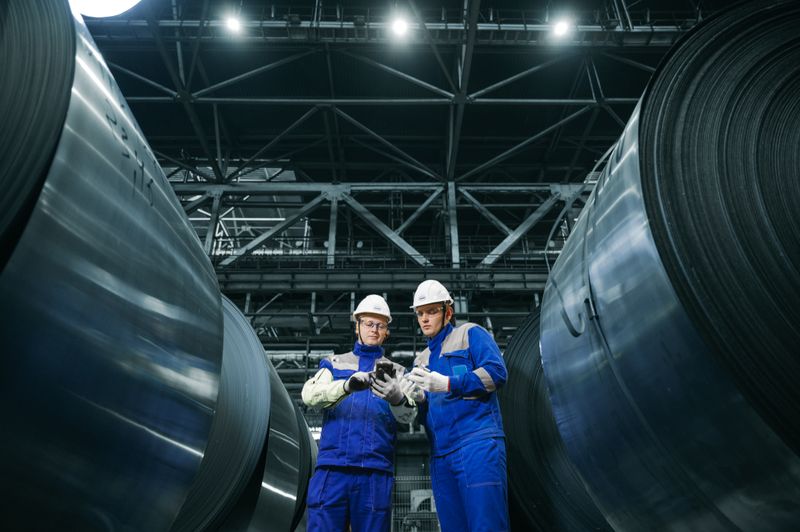
ZENTVO supports welded stainless tank projects with controlled fabrication, dimensional inspection, weld-quality review, and pre-shipment quality verification. For projects with higher assurance requirements, the company can support documentation preparation, inspection coordination, and global project delivery support.
Designed to International Standards
ZENTVO systems are designed and manufactured according to major international standards such as NSF, AWWA, EN, and API, depending on project requirements. Certifications apply to specific tank materials and applications, with documentation available upon request.
Exact compliance and documentation scope should always be confirmed against the selected stainless grade, fabrication method, and project approval checklist.

Potable Water Compliance References
NSF / ANSI 61 and WRAS are listed under ZENTVO’s potable-water compliance references. These standards address materials in contact with drinking water and help support project-approval workflows where potable-water certification documentation is required by the specifying authority.
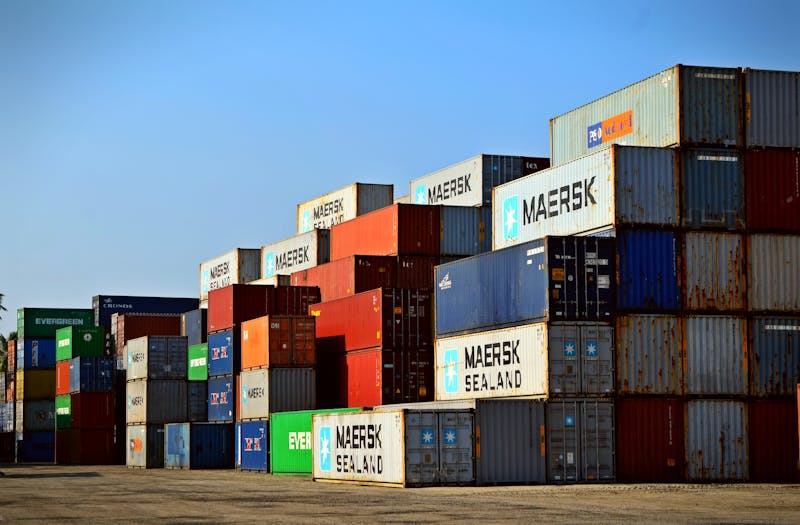
International Delivery Support
ZENTVO supports international delivery of Welded Stainless Steel Water Tanks with export-ready packing, shipping document coordination, and installation-preparation support.
Organized packing and clear documentation help reduce receiving errors and improve on-site execution for project tanks delivered to overseas sites.
Engineering & Fabrication Lead Time
Installation Support May Include
ZENTVO provides installation manuals, professional installation guidance, and remote engineering assistance for overseas projects within its lifecycle support workflow.
Project Information Checklist
This structure matches the engineering-led, project-review approach and is especially useful for deciding grade selection and fabrication scope for a welded stainless tank.
It is a water storage tank fabricated from stainless steel sheets or plates and joined by welded seams rather than bolted modular panel joints. ZENTVO positions this product as a fully welded tank for projects that prefer rigid construction and a clean finish.
The main advantages are rigid construction, a clean finished appearance, and long-term structural stability. That positioning comes directly from ZENTVO’s description of the product as a permanent, structurally integrated water storage solution.
304 / 304L are often suitable for many inland potable-water and building-water applications, while 316 / 316L are usually the safer choice where chlorides, chlorine, coastal exposure, or more aggressive service conditions increase corrosion risk.
Because weld heat tint, contamination, and poor post-fabrication cleaning can reduce corrosion performance if not properly controlled. Nickel Institute and ASTM guidance both emphasize the importance of weld-area treatment, cleaning, and passivation for stainless steel in water service.
Yes. ZENTVO states that it provides project-specific engineering support, structural calculations, tank layout design, and detailed CAD drawings based on site conditions, capacity, and standards.
Yes. ZENTVO publicly states that it provides installation manuals, professional installation guidance, remote engineering support for overseas projects, and 24/7 support within its lifecycle workflow.
Ready to Specify a ZENTVO
Welded Stainless Steel Water Tank?
Send your project requirements and get a project-specific engineering proposal, drawing support package, and quotation from the ZENTVO team.
info@zentvo.com